Questions To Ask Before Hiring a Custom Auto Paint Shop
A custom paint job can change how your vehicle looks and how confidently you drive it. However, choosing the wrong shop can leave you with uneven color or a finish that ages poorly. Knowing the questions to ask before hiring a custom auto paint shop helps you compare workmanship instead of relying on flashy photos. Whether you want a fresh factory color or personal finish, a thoughtful conversation before booking can save frustration later. The right questions also reveal how carefully a shop plans each stage of the project.
What Experience Do You Have With My Type of Paint Job?
Not every paint project requires the same skills. Restoring a damaged panel differs from changing an entire vehicle's color, especially when the new shade calls attention to door jambs and other edges. Ask whether the shop regularly handles work similar to yours. Request examples that show completed vehicles in natural light rather than only under showroom lighting.
Pay attention to how the team describes past challenges. Experienced painters should explain how they approach difficult colors without promising that every job follows an identical process. Their answers can help you judge whether your expectations match their capabilities.
How Will You Prepare the Vehicle Before Painting?
A beautiful finish starts long before anyone sprays color. Ask how the shop removes contaminants and addresses existing paint damage. Scratches, chips, and small dents can remain visible beneath fresh paint when technicians skip necessary preparation.
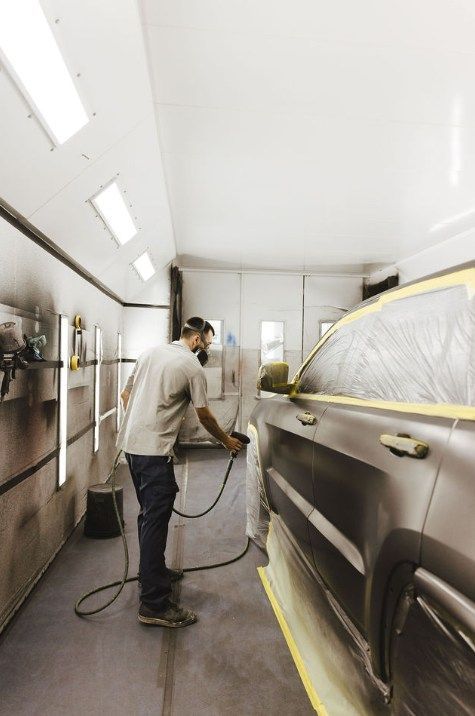
Find out whether the estimate includes sanding, masking, and any required surface repairs. A shop should also explain which trim pieces it plans to remove and which areas it will protect. These details affect the finished appearance, particularly around windows and panel edges. Preparation may not photograph well, but it often separates lasting results from disappointing ones.
Can You Match My Existing Paint Color?
Matching an existing finish involves more than selecting a color name from a catalog. Sun exposure and previous repairs can change how a vehicle's paint appears today. Even the correct factory color code may need adjustment to blend with surrounding panels.
Ask how the shop checks color accuracy before applying the final finish. For a partial repaint, discuss whether adjacent panels might need blending. If you want a completely different color, ask what that choice means for hidden surfaces. Clear answers help prevent surprises when you see the vehicle outdoors.
What Paint Materials Will You Use?
Paint products vary in application requirements and appearance. Ask which coating system the shop intends to use and why it suits your project. A qualified professional should explain the role of primer and clear coat in everyday language.
You should also ask how the proposed finish will hold up under normal driving conditions. No coating makes a vehicle immune to scratches or weathering. Be cautious when a shop describes its products as virtually indestructible. Reliable guidance focuses on realistic performance and proper maintenance rather than exaggerated claims.
How Do You Control Dust and Finish Quality?
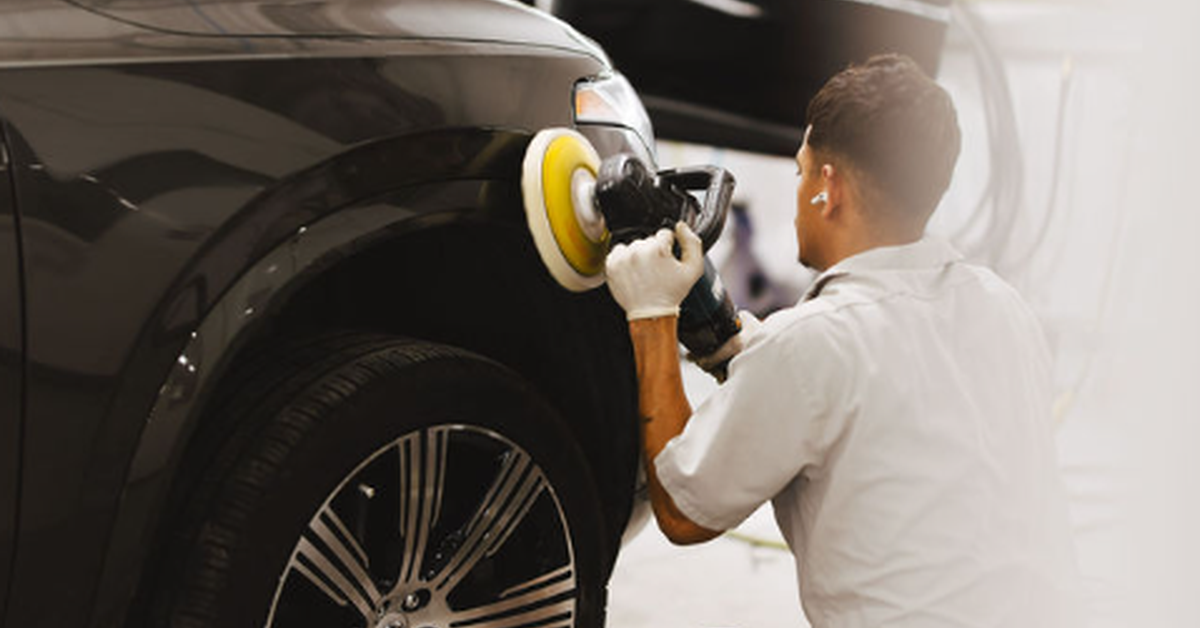
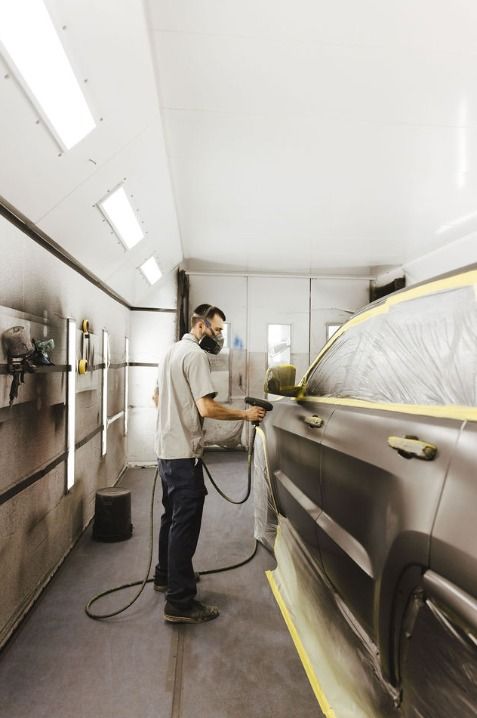
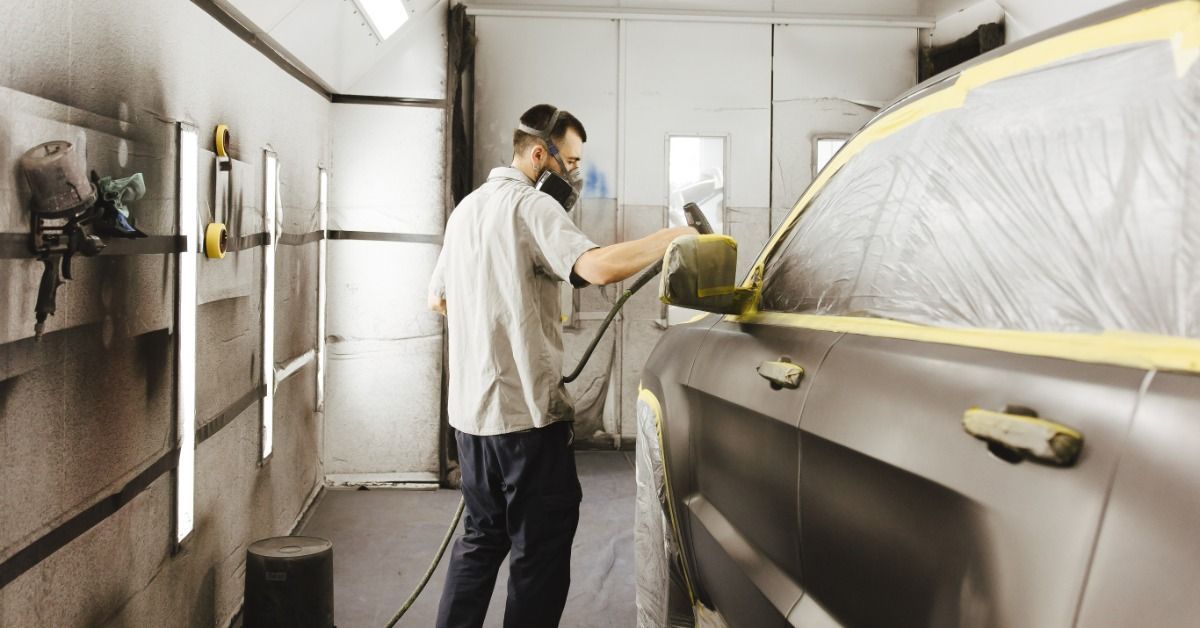
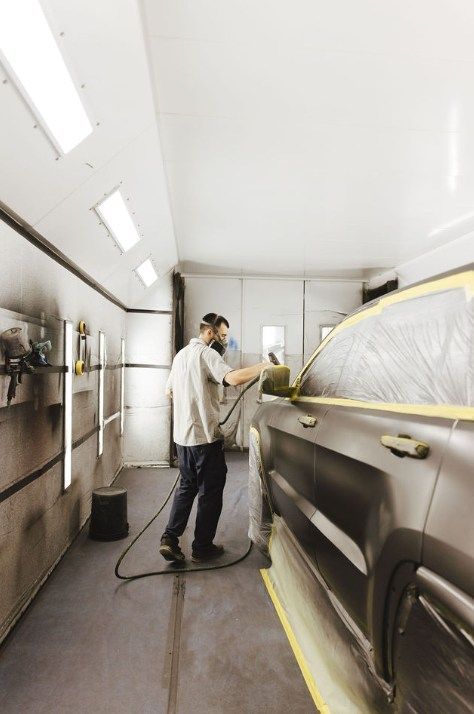
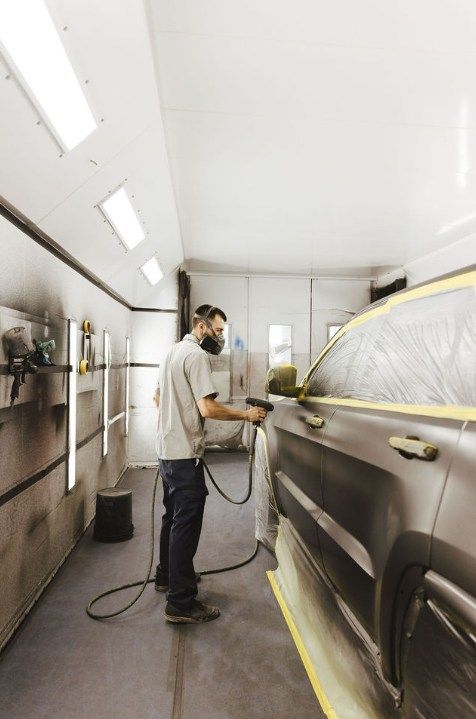
Dust can settle into fresh paint and create imperfections that become obvious under sunlight. Ask where painting takes place and how the shop manages cleanliness during application. You can also ask how technicians inspect their work after the coating cures.
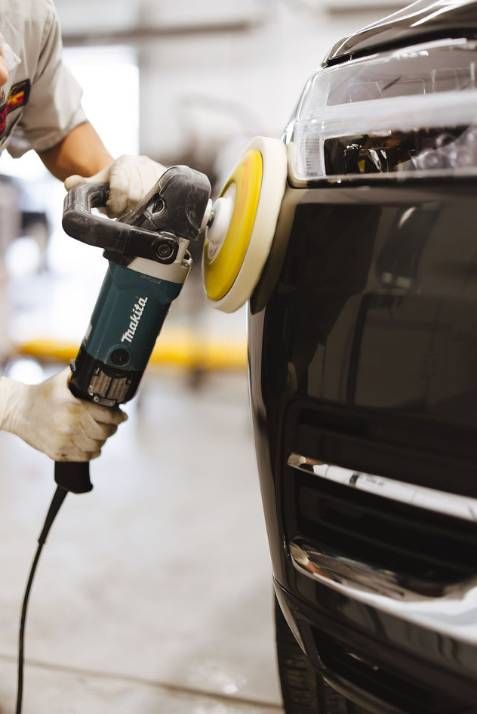
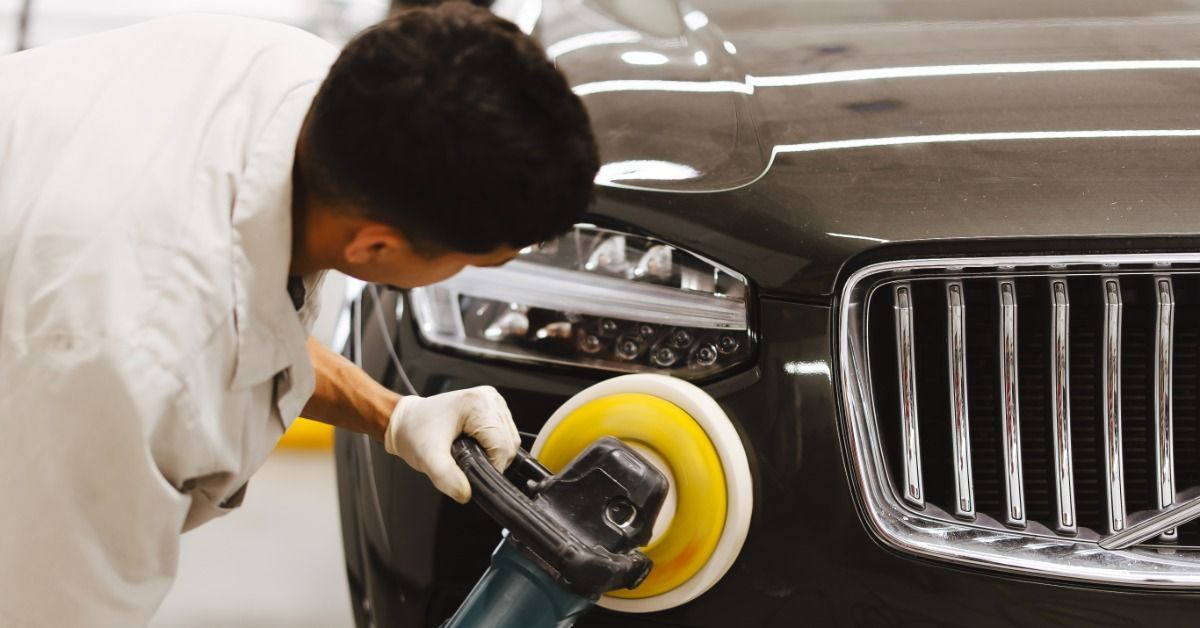
Some finishes require additional polishing to achieve the intended appearance. Others need correction when texture or small defects appear. A shop that discusses inspection openly shows more confidence than one that dismisses every concern. Ask what happens if you notice a visible flaw when you collect your car.
What Does the Written Estimate Include?
A low initial price means little without a clear scope of work. Ask for an itemized estimate that identifies preparation and painting tasks. Confirm whether necessary body repairs fall within that price or require separate approval.
Discuss possible changes before work begins. Removing old paint can reveal damage that was not obvious during the first inspection. Ask how the shop communicates additional costs and whether it waits for authorization before proceeding. A written estimate gives both sides a shared understanding of what the project includes. It also makes competing quotes easier to compare fairly.
How Long Will the Project Take?
Custom painting takes time, particularly when the vehicle needs repairs before refinishing. Ask for a realistic schedule rather than the quickest possible completion date. The shop should account for preparation and the time coatings need before the vehicle can return to service.
Find out how you will receive progress updates if the schedule changes. Parts availability or unexpected surface damage can affect the timeline. A clear communication plan matters when you depend on your vehicle for daily transportation. Ask when the shop expects to confirm a pickup date instead of treating the original estimate as a guarantee.
Do You Offer a Warranty on Paint Work?
A warranty can tell you how a shop stands behind its work, but the details matter. Ask whether coverage addresses problems such as peeling or premature finish failure. Confirm how long coverage lasts and what conditions might limit it.
Request the terms in writing before approving the job. Normal wear and damage from a new collision may fall outside coverage. Ask how the shop evaluates a concern and what steps customers follow to request assistance. Understanding those expectations now makes future conversations much easier.
How Should I Care for the New Finish?
Fresh paint needs appropriate care after the vehicle leaves the shop. Ask when you can wash the car and whether the painter recommends waiting before applying wax or protective products. The answer depends on the coating system and curing process.
Request practical instructions you can follow at home. Ask what cleaning methods might damage the finish and how to handle bird droppings or road grime. A reputable shop should want your paint to look good long after pickup. Helpful aftercare advice also shows that the relationship does not end when you pay the invoice.
Choose a Shop That Explains the Work Clearly
The best questions to ask before hiring a custom auto paint shop focus on process and accountability, not just price. Choose professionals who explain their recommendations and welcome reasonable follow-up questions.
River North Collision Repair helps Chicago drivers address vehicle damage through auto accident repairs, including collision-related paint work and body repairs. Our team provides estimates and explains the repair process so customers can make informed decisions about restoring their vehicles. If your car needs attention after an accident, contact River North Collision Repair to discuss the damage and next steps.