Can a Body Shop Paint Over Metallic Car Finish?
Metallic car paint gives vehicles a distinctive shine that changes with the light, but scratches and collision damage can quickly disrupt that appearance. When damage affects the painted surface, many vehicle owners wonder whether a body shop can paint over metallic car finish without creating noticeable differences. The answer is yes, although metallic paint requires careful preparation and precise application to achieve consistent results. Understanding how professionals approach metallic refinishing helps drivers make informed decisions about restoring their vehicle's appearance.
Understanding What Makes Metallic Car Paint Different
Metallic automotive paint contains tiny reflective particles, typically aluminum flakes, that create its characteristic shimmer. These particles reflect light from different angles, giving the finish greater visual depth than conventional solid colors. Their orientation within the paint also influences how the color appears under different lighting conditions.
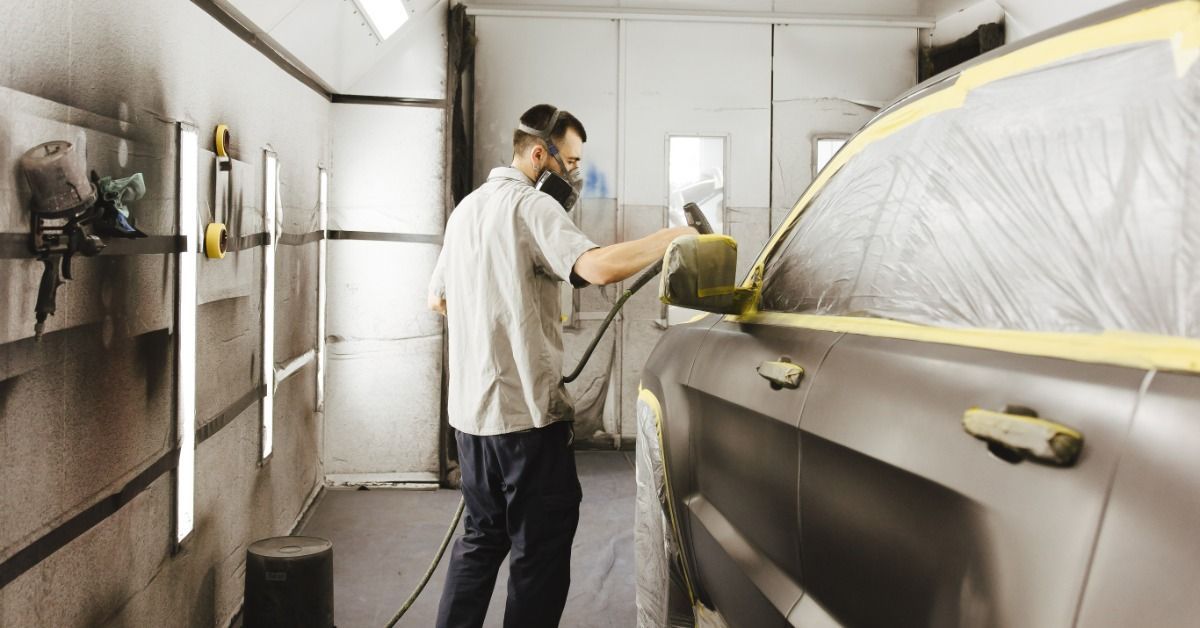
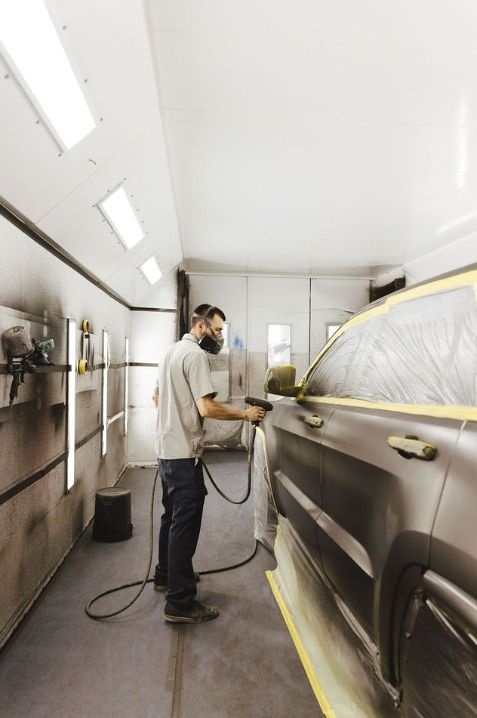
Unlike solid paint, metallic finishes demand particular attention during application. Uneven particle distribution can create darker patches or inconsistent reflections across a panel. Professional painters control their spraying technique to maintain uniform coverage and achieve a finish that complements the surrounding surfaces.
Can You Apply New Paint Directly Over Metallic Paint?
Applying fresh paint over an existing metallic finish is possible when the underlying coating remains stable. However, simply spraying another layer onto the original surface rarely produces lasting results. Paint needs a properly prepared foundation to adhere securely and maintain its appearance.
Technicians first evaluate the existing finish for peeling, cracking, or deterioration. They also check whether previous repairs have compromised the surface. If the original coating remains sound, careful sanding and cleaning can prepare it for refinishing without requiring complete removal.
Severely damaged coatings may require additional preparation before painting begins. Addressing these problems prevents existing defects from affecting the new finish.
Why Surface Preparation Matters Before Repainting
Successful metallic paint repairs begin long before technicians activate their spray equipment. Surface preparation removes contaminants that interfere with adhesion and helps create an even foundation for subsequent coatings. Skipping this process can leave visible imperfections beneath an otherwise attractive finish.
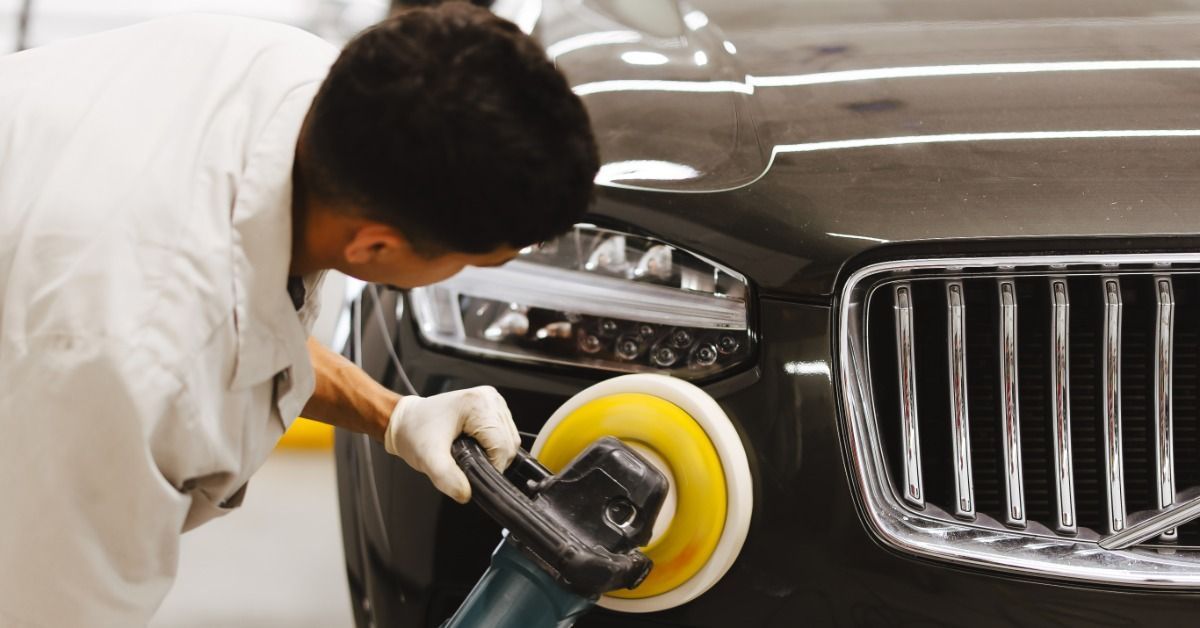
Technicians typically clean the damaged area before sanding the existing coating. Sanding creates a suitable surface for the next layer while helping eliminate minor irregularities. When necessary, technicians repair dents or scratches before applying primer to exposed areas.
Proper preparation also protects the durability of the finished repair. Even premium automotive paint cannot compensate for contamination or unstable underlying coatings. A smooth foundation allows the new metallic finish to develop a more consistent appearance.
How Body Shops Match Existing Metallic Paint Colors
Matching metallic paint involves more than selecting a color with the correct manufacturer code. Age and environmental exposure can influence how an existing finish looks compared with freshly mixed paint. Metallic particles further complicate matching because their reflective properties affect perceived color.
Professional body shops use vehicle paint information and color matching equipment to identify suitable formulations. Painters may also create spray samples to compare the proposed mixture against the existing finish. These comparisons help technicians evaluate color accuracy under different lighting conditions.
Sometimes, achieving an appropriate match requires small adjustments to the paint formula. Careful testing reduces the likelihood of noticeable differences between repaired panels and surrounding bodywork.
The Importance of Metallic Flake Orientation
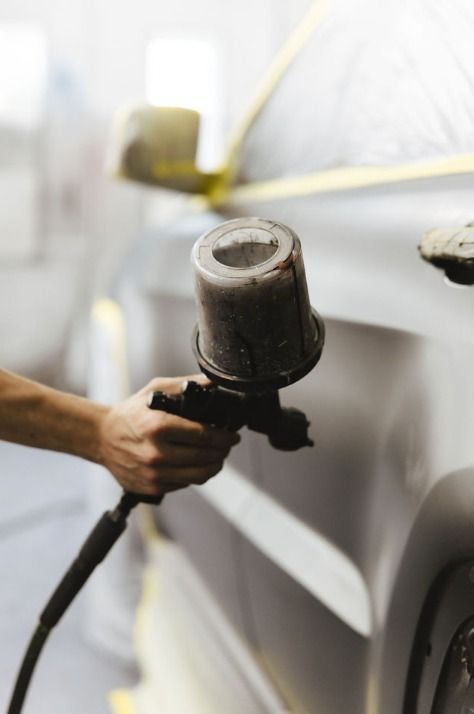
Metallic flakes must settle consistently throughout the painted surface to produce uniform reflections. Their positioning depends partly on spray technique and how the paint reaches the panel. Changes in application can alter the finish even when technicians use the correct color formula.
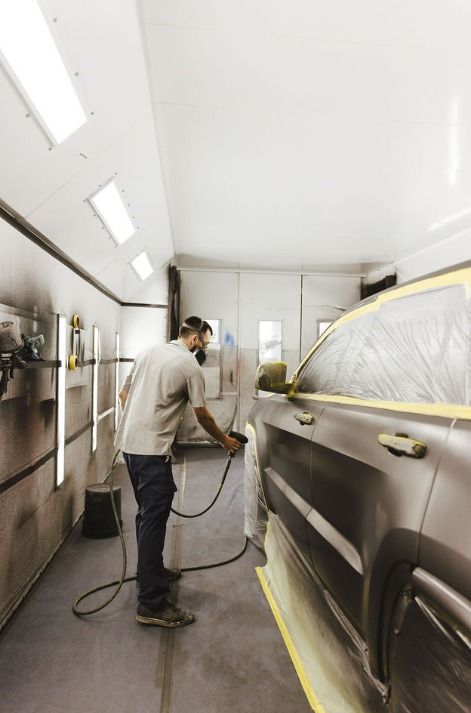
Professional painters manage spray distance and overlap to encourage consistent particle distribution. They also consider paint viscosity and equipment settings during application. These details influence whether the finished surface appears lighter or darker from certain angles.
Incorrect flake orientation can produce a patchy appearance that becomes especially noticeable in direct sunlight. Experienced technicians recognize these challenges and adjust their approach to support a more consistent finish.
When Blending Paint Creates Better Results
Repainting only the damaged section sometimes produces a visible boundary between new paint and the original finish. This problem becomes particularly noticeable with metallic colors because slight differences in reflection can reveal the repair.
Paint blending helps minimize those transitions. Technicians gradually extend the new color into an adjacent area, creating a smoother visual transition rather than ending the application abruptly. This technique allows subtle color variations to become less noticeable.
Blending does not eliminate the need for accurate color matching. Instead, it complements careful paint formulation and controlled application. The appropriate approach depends on the damage location and the condition of nearby panels.
How Clear Coat Protects Metallic Paint
Modern metallic finishes commonly use a basecoat and clear coat system. The metallic basecoat supplies the color and reflective effect, while the transparent clear coat creates the outer protective layer. Together, these coatings produce the glossy appearance drivers expect.
After applying the metallic color, technicians add compatible clear coat according to the paint system's requirements. This layer helps protect the underlying finish against routine environmental exposure. It also contributes to the surface's depth and shine.
Clear coat application requires careful attention to coverage and drying conditions. Uneven application can create texture differences or reduce the visual quality of the repair. Proper finishing helps the repaired surface resemble the surrounding factory finish.
Can Metallic Paint Repairs Look Like the Original Finish?
A properly executed metallic paint repair can closely resemble the vehicle's original appearance. Achieving that result depends on the existing coating condition and the painter's ability to control the refinishing process. Some colors present greater matching challenges than others.
Silver and lighter metallic shades can reveal differences in particle orientation particularly easily. Darker metallic finishes may show variations in depth or reflection. Technicians account for these characteristics when planning repairs.
Although perfect matches cannot always be guaranteed, professional refinishing methods can significantly reduce visible differences. Evaluating the completed repair under multiple lighting conditions helps identify potential inconsistencies before the vehicle returns to its owner.
Choosing Professional Metallic Paint Repair in Chicago
Metallic paint damage deserves professional attention because successful refinishing involves specialized materials and experienced application. A qualified body shop evaluates the existing coating before recommending an appropriate repair method. This assessment helps determine whether localized refinishing or broader panel work makes sense.
Chicago drivers also face seasonal conditions that can affect automotive finishes. Road salt and moisture make timely attention to damaged paint particularly important when exposed metal needs protection.
When discussing repairs, vehicle owners should ask how technicians approach color matching and surface preparation. Clear explanations provide valuable insight into the proposed work and help establish realistic expectations for the finished appearance.
Restore Your Metallic Finish With River North Collision Repair
Understanding how a body shop can paint over metallic car finish helps vehicle owners approach paint repairs confidently. Successful results require careful preparation and attention to metallic color matching. As a car paint shop in Chicago, River North Collision Repair provides professional automotive paint repair services for drivers dealing with cosmetic damage or collision-related concerns. Contact River North Collision Repair to discuss your vehicle's paint damage and learn which repair approach best suits its condition.