7 Signs Your Car May Be Damaged From a Pothole

Potholes can turn an ordinary drive into a jarring experience in an instant. Even when your car seems fine afterward, a hard impact can damage wheels, tires, body panels, and other components. Some problems appear immediately, while others become noticeable during the next few trips.
Knowing the signs a pothole may have damaged your car can help you spot issues before they cause bigger problems. A quick visual inspection can reveal obvious trouble, but changes in the way your vehicle looks, feels, or handles also deserve attention. Here are several signs that a pothole may have damaged your car.
1. Your Tire Shows a Bulge, Cut, or Other Damage
Your tires absorb much of the force when you drive into a pothole. A particularly deep hole or sharp edge can pinch the tire against the wheel, which may damage the sidewall or internal structure. Look for cuts, bubbles, bulges, or other unusual changes after a significant impact.
A sidewall bulge deserves prompt attention because it can indicate internal damage. You may also notice that the tire loses pressure even though you cannot find an obvious puncture. Check the tire pressure and inspect the affected tire before driving long distances.
Tire damage does not always announce itself with a flat tire. A weakened area may become more noticeable over time as the tire continues to flex during normal driving. If something looks unusual after hitting a pothole, have a qualified tire professional inspect it.
2. You Notice a Bent or Damaged Wheel
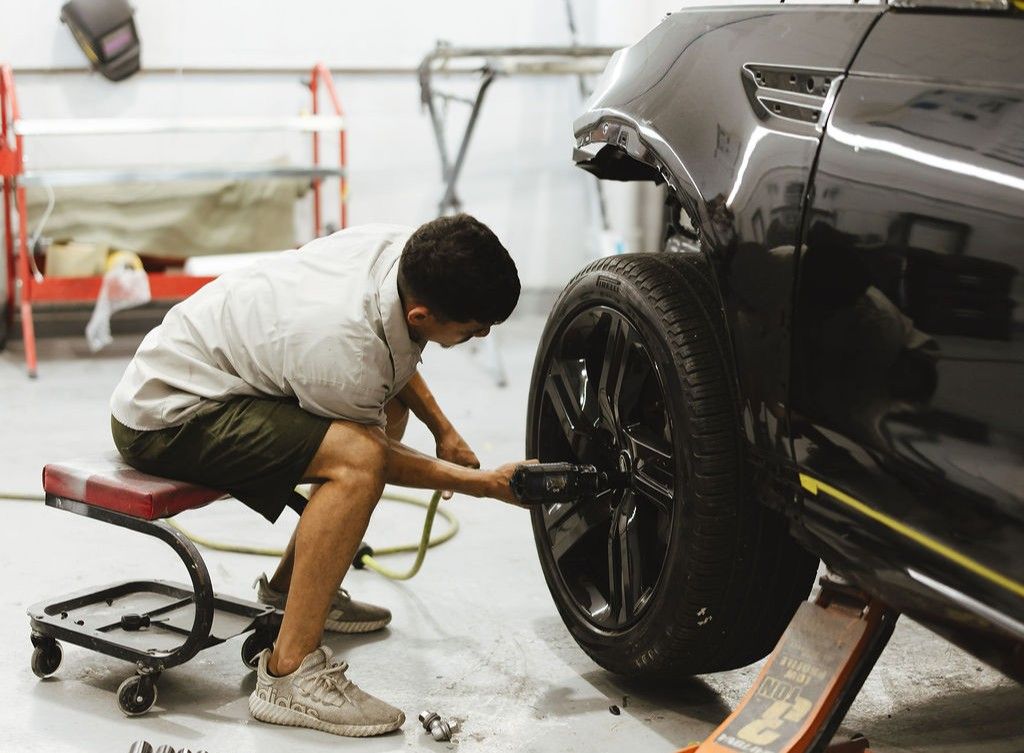
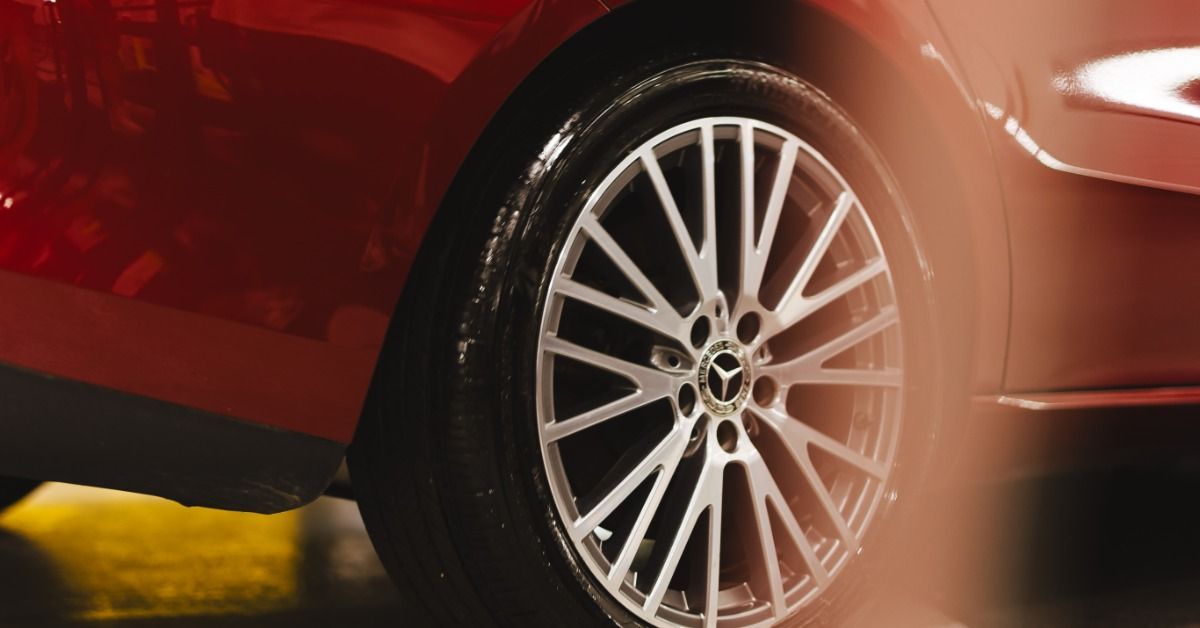
A pothole can also damage the wheel underneath the tire. The impact force can bend or crack a wheel, especially when a vehicle hits a deep pothole at higher speed. Low-profile tires may leave less cushioning between the road and wheel during a severe impact.
Inspect the wheel for bends, cracks, chips, or other visible changes. You may also notice recurring air-pressure loss when a damaged wheel prevents the tire from maintaining a proper seal. Even subtle wheel damage can affect how the vehicle feels on the road.
A professional inspection can identify damage that you might overlook from the outside. Technicians can determine whether the wheel needs repair or replacement and check surrounding areas for related problems. Addressing the issue promptly can help prevent further tire wear or handling concerns.

3. Your Car Pulls to One Side
After hitting a pothole, pay attention to whether your car continues traveling straight without constant steering corrections. A vehicle that suddenly pulls toward one side may have an alignment issue. The impact can change wheel alignment enough to affect steering and tire wear.
You might notice the problem most clearly while driving on a relatively flat, straight road. The steering wheel may also sit slightly off-center even though the vehicle travels straight. These changes can seem minor at first, but they can indicate that the impact affected the vehicle.
4. The Steering Wheel Starts Vibrating
A new vibration after a pothole impact gives you another reason to inspect your vehicle. Damage to a tire or wheel can create noticeable shaking through the steering wheel. The vibration may start subtly, then become more pronounced as you drive faster.
Watch for these signs after hitting a pothole:
- Shaking that becomes stronger at higher speeds
- Repetitive vibration that changes with vehicle speed
- New steering-wheel movement that was not present before
- Shaking that begins soon after a hard pothole strike
- Changes in ride quality alongside the vibration
Several issues can cause steering-wheel vibration, so the symptom alone does not confirm pothole damage. However, a vibration that appears shortly after a hard impact deserves attention. A thorough inspection can identify the source and determine whether the tire, wheel, or another affected component needs repair.
5. You See New Dents or Scrapes on the Body
Drivers often think about tires first after hitting a pothole, but the impact can also affect exterior body components. A deep pothole may cause a low section of the vehicle to contact the pavement or broken road surface. Loose pieces of pavement can also strike rocker panels, bumpers, and lower body panels.
Check the lower areas of your vehicle for fresh dents, scratches, cracks, or displaced trim. Damage near the rocker panels can be easy to miss because drivers rarely look closely at that part of the car.
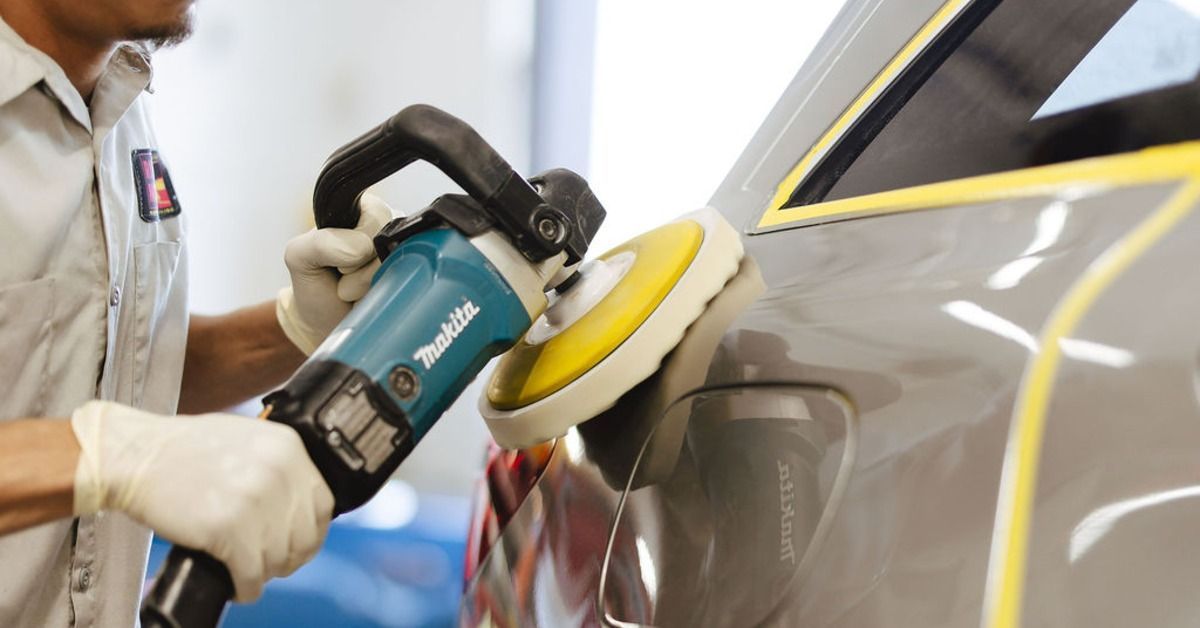
Chicago drivers should watch for pothole damage, especially after hard impacts on the road. However, the damage doesn’t have to be permanent. Some minor dents may qualify for paintless dent removal in Chicago when the paint remains intact, and the damage meets the requirements for that repair method.
More complex damage may require conventional body repair and refinishing. A professional assessment can determine the appropriate approach for the affected panel.
6. Your Vehicle Sits Lower or Looks Uneven
A severe pothole impact can change how your vehicle sits. It can even cause one corner of the car to sit higher or lower than it should. The vehicle may also feel different over bumps or uneven pavement.
Pay attention to changes in ride height as well as unusual bouncing or movement. These symptoms can indicate damage beyond a simple cosmetic issue. Continuing to drive without an inspection may allow related problems to worsen or cause uneven tire wear. A technician can inspect the affected area and determine what caused the change.
7. You Hear New Noises After the Impact
Your ears can provide useful clues after a hard pothole strike. New clunking, scraping, rubbing, or rattling sounds may indicate that the impact damaged or displaced a component. The noise might occur constantly or only when you turn, brake, or travel over uneven pavement.
Listen for sounds that did not exist before the pothole impact. A scraping noise may indicate contact between components, while a repetitive sound could relate to the wheel or tire. Avoid trying to diagnose the problem solely from the type of noise you hear.
Take note of when and where you hear the sound. That information gives a repair professional more context during an inspection. A new noise after a significant road impact shouldn't become part of your normal driving routine.
What Should You Do After Hitting a Pothole?
You do not need to panic every time your tire meets rough pavement. However, a hard strike deserves a closer look, especially if you notice a sudden change in the vehicle afterward. Start by checking the tires and visible exterior areas for obvious damage.
On your next drive, look for signs of pothole damage on your car and pay attention to overall ride quality. Avoid ignoring a new symptom simply because the car still moves normally. Early attention can keep minor damage from becoming a bigger repair issue.
If you notice body damage after hitting a pothole, our experienced auto body repair team at River North Collision Repair can assess the affected panels and recommend the right repair method. We provide collision, dent, paint, and bumper repair services for vehicle owners in the Chicagoland area.
Contact River North Collision Repair to schedule an assessment and find out what your vehicle needs after an unexpected encounter with damaged pavement.