Breaking Down the Parts of an Auto Repair Quote

After a car accident, receiving an auto repair quote marks an important step toward restoring your vehicle. However, the document may include unfamiliar terms and individual repair costs that raise questions. Understanding these details helps you evaluate the proposed work and prepare for potential expenses.
Auto body repair quotes cover much more than replacing damaged parts. Technicians must consider labor, materials, vehicle condition, and potential hidden damage.
Each component contributes to the total estimate and reflects the work necessary to restore your vehicle. Let’s break down the parts of an auto repair quote so you’re prepared the next time you visit a repair shop.
What Is an Auto Repair Quote?
An auto repair quote outlines the expected costs to restore a damaged vehicle. Collision repair professionals assess visible damage and estimate costs. The document typically separates labor, replacement parts, and additional services into individual charges. This detailed approach helps vehicle owners understand where their money goes.
A repair quote reflects an initial assessment, not a guarantee of what you’ll spend. Some damage remains hidden beneath exterior panels until technicians begin disassembly. Repair facilities may need to revise the original quote when they uncover additional problems.
Vehicle Information and Damage Assessment
Every accurate collision repair estimate starts with basic vehicle information. The document generally identifies the vehicle's model and vehicle identification number (VIN). These details help technicians select compatible replacement components and determine appropriate repair procedures.
The damage assessment describes the affected areas and outlines the necessary work. Technicians examine the structural components and surrounding areas for signs of collision damage. They also consider whether the impact may have affected components that require further inspection. This initial evaluation lays the foundation for the rest of the estimate.
Labor Costs and Repair Time
Labor charges often account for a significant portion of an auto body repair quote. Repair facilities calculate these costs based on estimated labor hours and applicable hourly rates. Different operations require different amounts of time depending on damage severity and repair complexity.
Estimates may separate labor into several categories based on the tasks involved. Body labor covers operations such as panel repairs and structural restoration. Refinish labor accounts for finishing procedures and paint application. Some vehicles also require specialized inspections, diagnostics, or electronic system calibration.
The estimated hours reflect the anticipated work, not a countdown to completion. Technicians may perform several operations across different stages of the repair process, which can affect the overall timeline. Reviewing labor charges helps you learn why some repairs cost more than others.
Replacement Parts and Their Costs
Replacement parts represent another major component of collision repair estimates. When technicians cannot safely or effectively restore a damaged component, they may recommend replacing it. The quote should identify the necessary parts and their associated prices.
Collision repair facilities may use several types of replacement components depending on vehicle requirements, availability, and insurance considerations:
- OEM parts: Original equipment manufacturer parts come from the vehicle manufacturer or its authorized supply chain.
- Aftermarket parts: Independent manufacturers produce these replacement components as alternatives to OEM parts.
- Recycled parts: Salvage suppliers provide reusable components from other vehicles.
- Remanufactured parts: Specialized facilities restore qualifying components through controlled rebuilding processes.
Each category offers different considerations regarding price, availability, and compatibility. Technicians must evaluate whether a particular component meets the vehicle's repair requirements. Asking about the selected parts helps clarify both the estimate and the proposed repair approach.
Paint and Refinishing Expenses
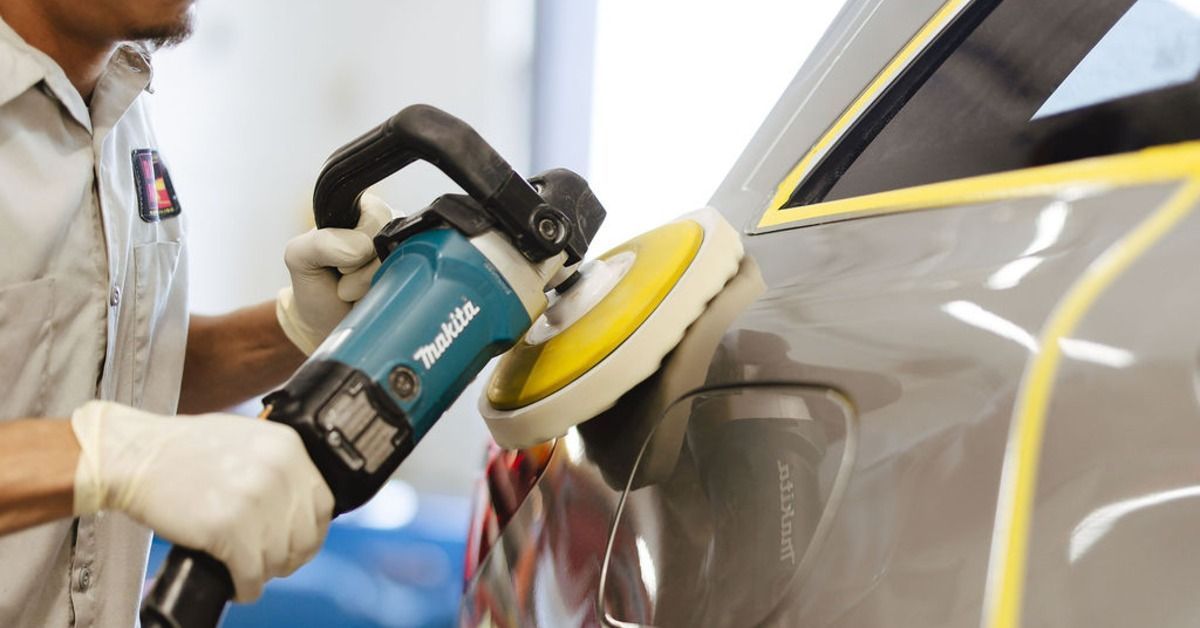
Paint and refinishing charges cover the work necessary to restore damaged exterior surfaces. Collision repairs frequently require more than applying a fresh coat of paint. Technicians must prepare the affected panels and match the vehicle's existing finish. These procedures improve both the repair's appearance and durability.
Refinishing costs may include primers, basecoat colors, clearcoat, and other materials. The amount of work depends on the size and condition of the damaged area. Some repairs also require blending color into adjacent panels to match the surrounding finish.
Additional Repairs and Hidden Damage
Some collision damage remains difficult to identify during the initial inspection. Exterior panels can conceal damaged brackets and other underlying structures. Once technicians take out the affected components, they may uncover problems that require additional attention, increasing repair estimates.
Repair facilities typically document newly identified damage through a supplemental estimate. This document explains the additional work, replacement parts, and related expenses. If insurance covers the claim, the repair facility may submit the supplement to the insurer for review.
Not every repair requires supplemental work, but vehicle owners should expect it. A detailed initial inspection reduces uncertainty but won't eliminate every potential discovery. Asking how the shop handles additional damage helps establish expectations before repairs begin.
Diagnostic Scans and Safety System Calibration
Modern vehicles have electronic systems that may need attention after a collision. Even minor impacts can affect sensors and related components. Depending on the vehicle and damage, technicians may recommend diagnostic scans or system calibrations. These operations can appear as separate charges on the repair estimate.
A diagnostic scan checks vehicle systems for stored fault codes and other relevant information. Calibration procedures help ensure that certain cameras and sensors operate according to manufacturer requirements.
Some repairs require these procedures after technicians replace components or disturb sensor mounting positions. The required work varies with vehicle specifications and the repair performed.
Insurance Coverage, Deductibles, and Out-of-Pocket Costs
Insurance coverage can influence how much a vehicle owner ultimately pays for collision repairs. The estimate identifies anticipated repair expenses, while the applicable insurance policy determines coverage. Depending on the circumstances, the insurer may pay eligible costs after accounting for deductibles and other limitations.
A deductible represents the amount a policyholder must pay toward a covered claim when the policy requires one. For example, a $500 deductible generally means the vehicle owner pays that amount before insurance covers the remaining eligible expenses. Coverage limits and claim circumstances can affect the actual payment. Vehicle owners should confirm these details directly with their insurance provider.
Reviewing Your Quote Before Authorizing Repairs
Carefully review an auto repair quote to identify key details before work begins. Start by checking the listed damage, proposed repairs, replacement components, and labor charges. Ask questions whenever an unfamiliar abbreviation or repair operation appears. A reputable collision repair facility should explain the estimate in straightforward language.
Also confirm the expected repair timeline and ask how the facility will communicate changes. Discuss potential supplemental estimates, parts availability, and insurance coordination before authorizing work.
These conversations help establish realistic expectations and reduce misunderstandings throughout the process. Keeping a copy of the estimate also provides a useful reference during repairs.
Make Sense of Your Auto Repair Quote With River North Collision Repair
Understanding the different parts of your auto repair estimate helps you approach collision repairs with greater confidence. From labor charges to replacement parts and refinishing expenses, every component contributes to the overall repair process. Reviewing these details allows you to ask informed questions and better anticipate the work ahead.
River North Collision Repair provides comprehensive auto collision repair in Chicago for drivers dealing with minor and major vehicle damage. Our experienced team provides detailed estimates and works to restore your vehicle's condition.
Contact River North Collision Repair today to discuss your vehicle damage and request a repair estimate. With clear answers and professional attention, we can help you move forward with confidence.