How Polish Protects Your Car From Future Damage
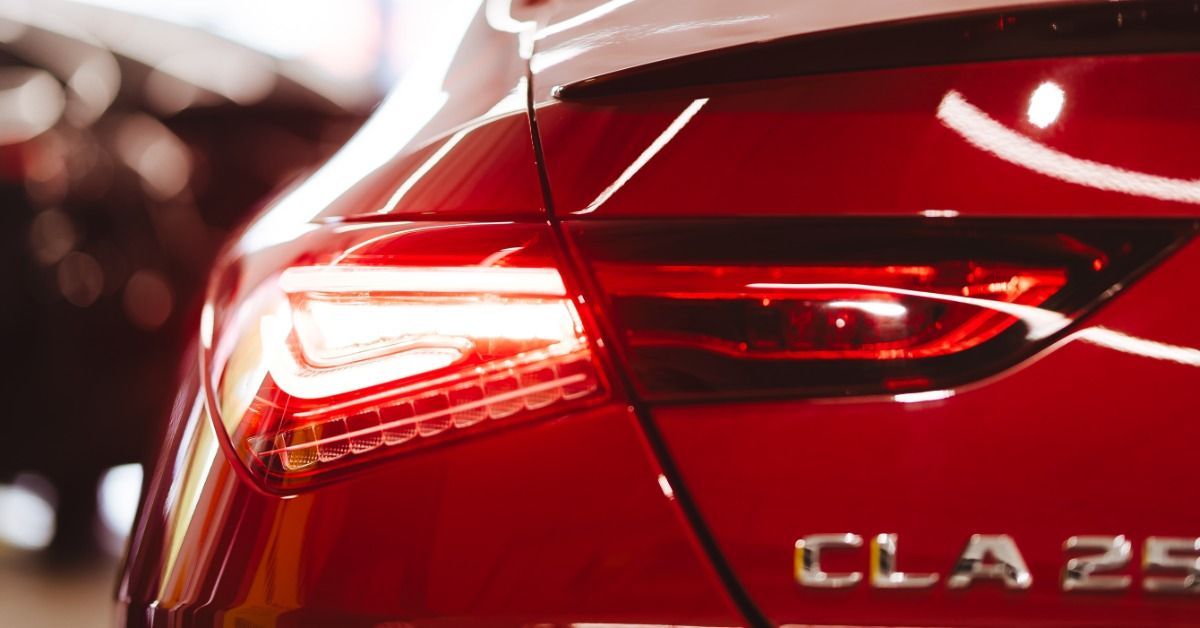
A clean, glossy finish does more than make a vehicle look good. Your car’s paint faces various contaminants every time you drive or park outside. Over time, these elements can dull the finish and make minor surface defects more noticeable.
Car polish helps restore a smoother, brighter finish by reducing light imperfections in the clear coat. When drivers understand how polish protects their car from future damage , they give the exterior a better defense against everyday exposure.
What Car Polish Actually Does
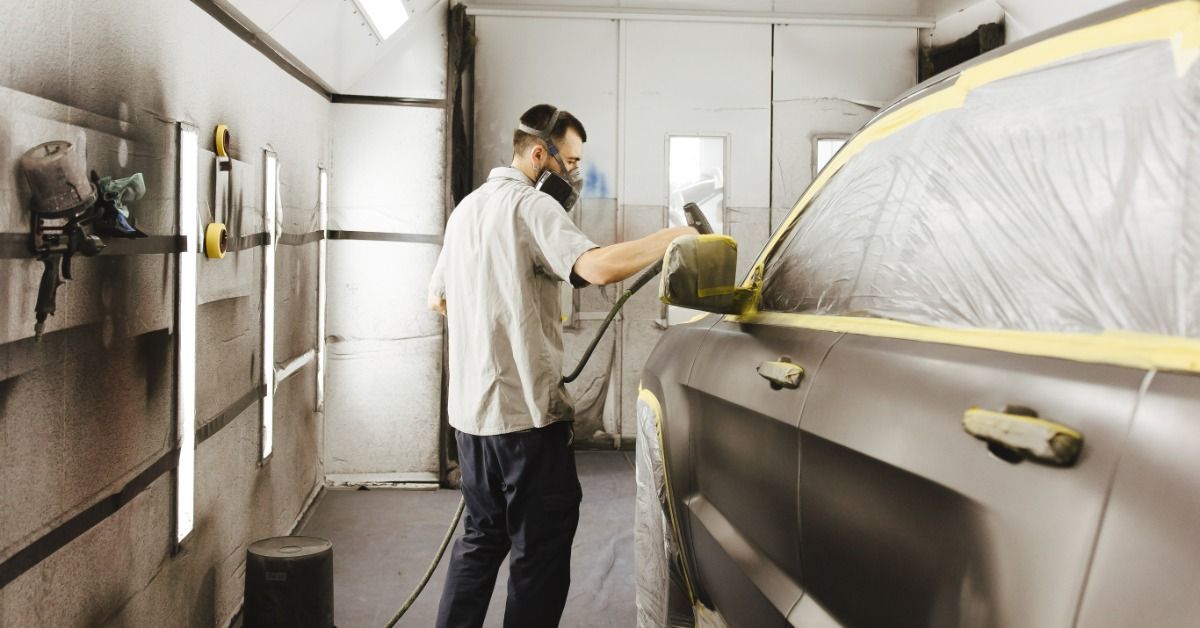
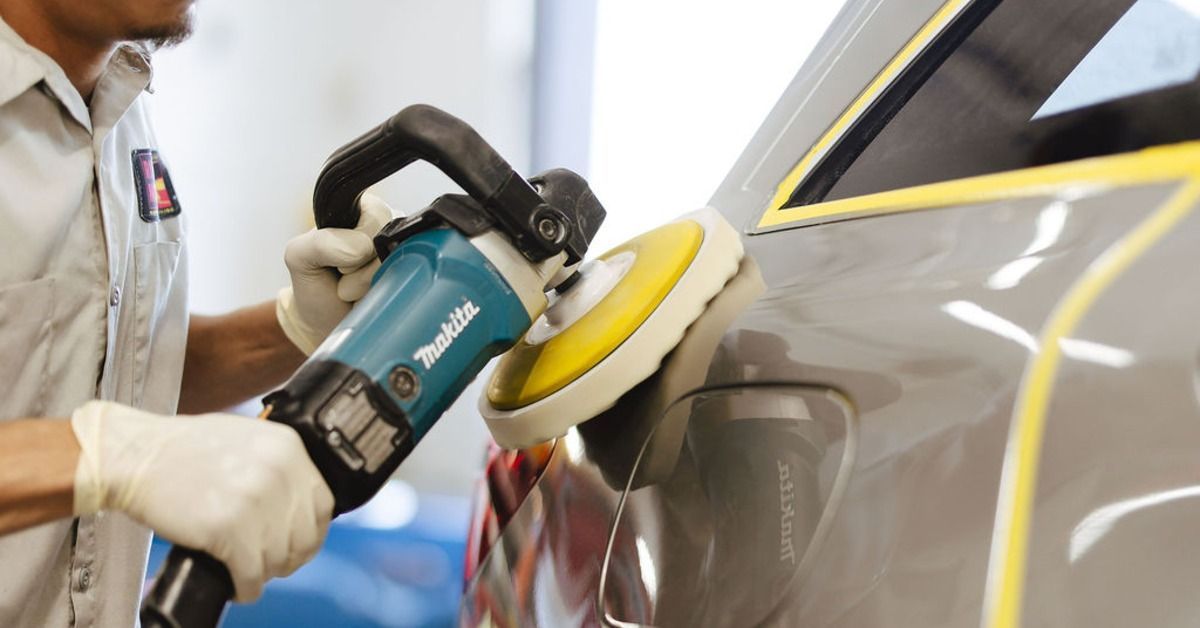
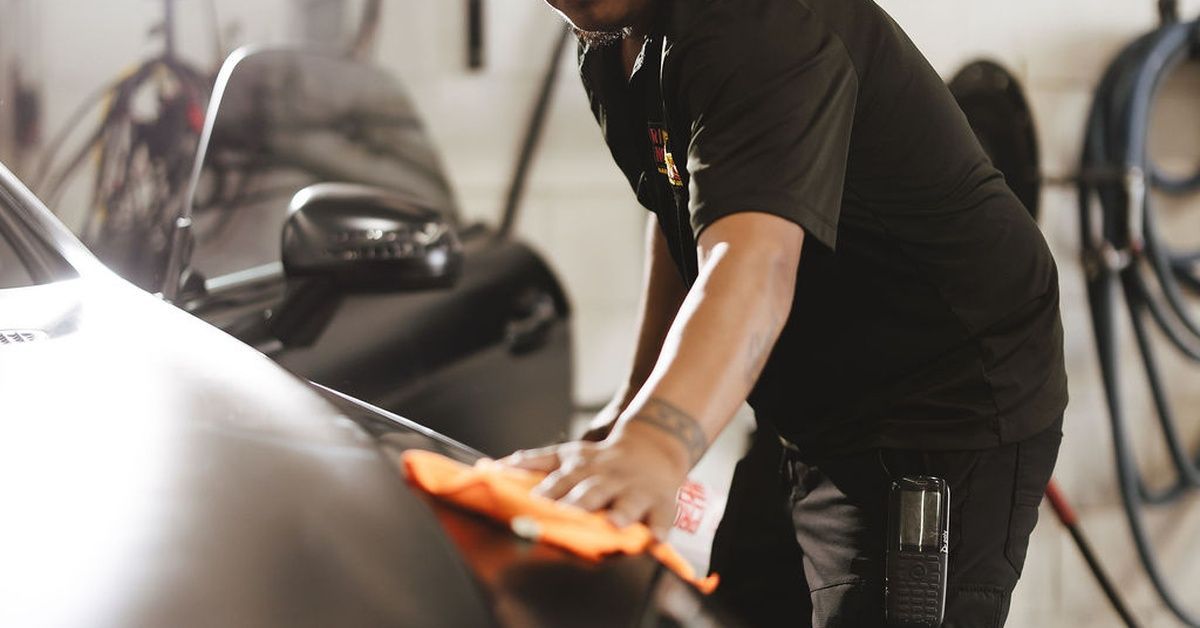
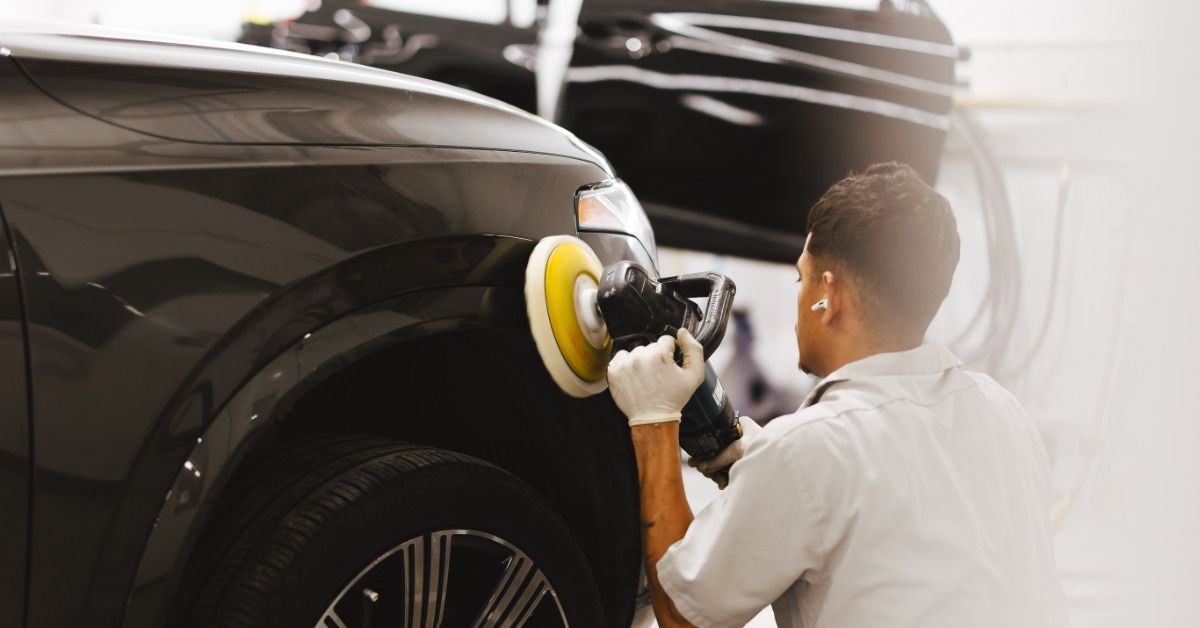
Car polish contains fine abrasives that work on the uppermost layer of the vehicle’s finish. As a technician works the polish across the surface, it can reduce oxidation, light swirl marks, water spots, and other shallow imperfections. The process creates a more even surface that reflects light more consistently.
Polish differs from wax or sealant because its main job involves surface correction rather than leaving behind a durable barrier. Think of polishing as refining the paint before applying protection.
A Smoother Finish Gives Contaminants Less to Grab Onto
Tiny surface defects can make automotive paint feel rough even when the vehicle looks clean. Dust and mineral deposits can settle into those irregular areas, making routine washing less effective.
Polishing levels many minor imperfections and leaves the clear coat smoother. A smoother finish gives contaminants fewer uneven areas to collect and bond. This does not make the paint immune to dirt, but it can support easier cleaning and help owners remove grime before it has more time to affect the finish.
Polish Can Reduce Minor Oxidation Before It Gets Worse
Sunlight and environmental exposure can gradually dull automotive finishes. Oxidation often creates a faded, chalky, or hazy appearance, especially when a vehicle spends long periods outdoors without consistent exterior care. Addressing mild oxidation early can improve the paint’s appearance before deterioration worsens.
Professional polishing can remove a thin layer of oxidized material when the damage remains within the correctable portion of the finish. Once the surface looks clean and even again, applying an appropriate protective layer helps shield the newly polished area. Severe oxidation or failing clear coat may require paint repair instead of polishing alone.
Polishing Helps Prepare Paint for Added Protection
One of polishing’s most useful benefits comes afterward. Wax and paint sealants perform best on a properly prepared surface. Oxidation and bonded contamination can interfere with the smooth finish owners want.
A careful polishing process creates a better foundation for the next protective step. That layer can help reduce exposure to moisture, ultraviolet light, road film, and other contaminants. Polish refines the surface; protection helps preserve the result.
It Can Make Water Spots Easier to Manage
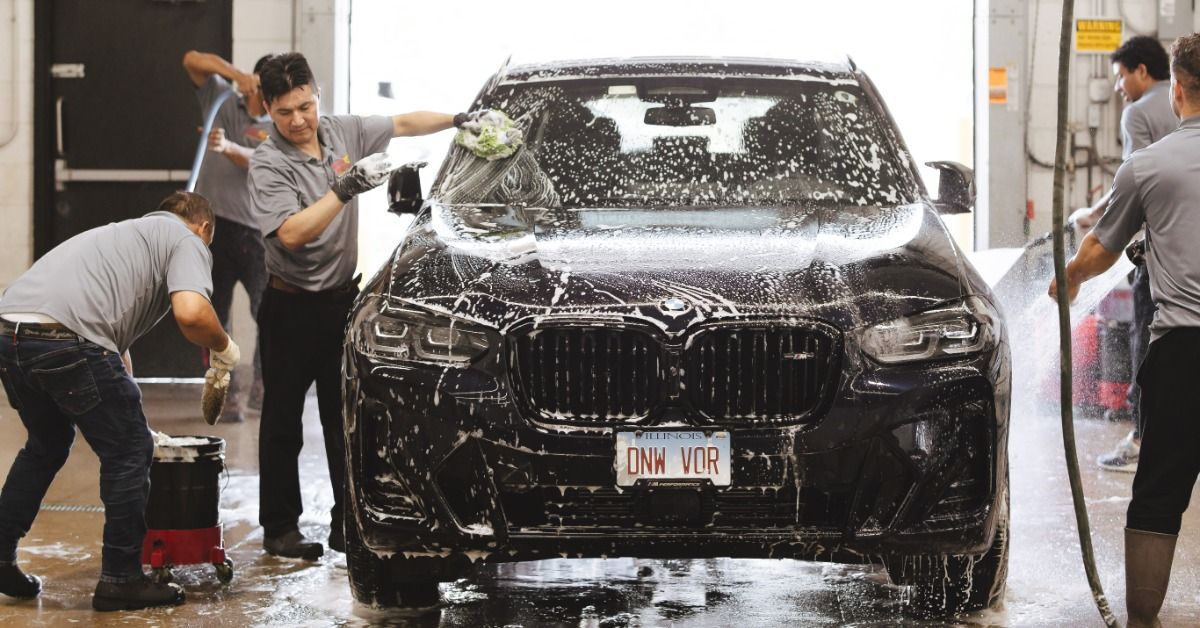
Water spots form when droplets dry on the vehicle and leave minerals behind. Rain and routine washing can contribute to spotting when water dries on the paint. Some deposits sit on the surface, while neglected mineral residue can become more difficult to correct over time.
Polishing can reduce certain water spots when they have affected the upper surface of the clear coat. After correction, keeping the paint protected and drying the vehicle promptly can reduce future buildup. Consistent washing and drying habits still matter.
Regular Paint Care Helps Defend Against Everyday Contaminants
Vehicles encounter substances that owners should not leave sitting on the finish. Bird droppings, bug residue, tree sap, road grime, and airborne pollution can cling to painted surfaces and may become harder to remove with time. Addressing them quickly limits how long these contaminants stay in contact with the exterior.
After polishing and applying protection, owners should continue with habits that support the finish:
- Wash the vehicle regularly with products intended for automotive paint.
- Remove bird droppings, bug residue, and tree sap as soon as practical.
- Dry the vehicle after washing instead of allowing water to evaporate naturally.
- Avoid abrasive towels, brushes, or harsh cleaners that can scratch the clear coat.
- Reapply the chosen wax, sealant, or protective product as recommended.
- Schedule professional paint care when swirls, oxidation, or stubborn defects return.
These steps work together instead of treating polish as a one-time solution. Good maintenance helps preserve the corrected surface between professional services.
Proper Polishing Can Reduce the Appearance of Light Scratches and Swirls
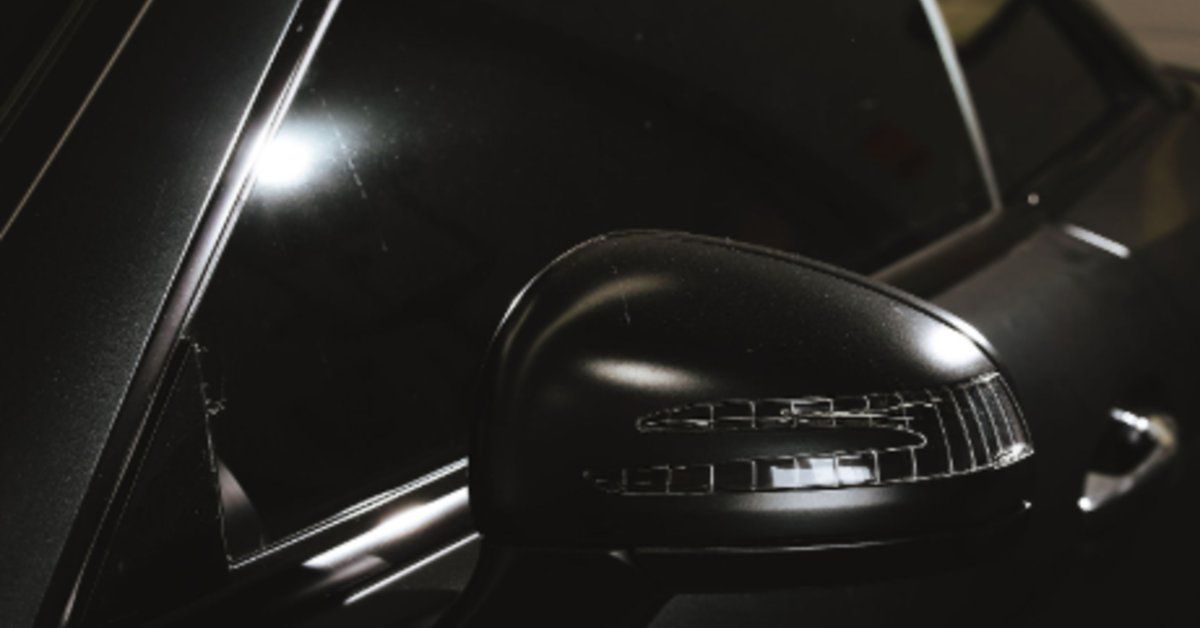
Automatic car washes, dirty towels, improper hand washing, and routine contact can leave fine marks in a vehicle’s clear coat. Under direct sunlight, those marks often appear as circular swirls or faint scratches. Although they may not expose bare metal, they can make otherwise healthy paint look worn.
Polishing can reduce the appearance of shallow defects by carefully leveling the surrounding clear coat. However, deeper scratches that penetrate the clear coat or color layer need a different repair approach. A professional can evaluate the damage and determine appropriate repair.
Professional Polishing Protects Against Overcorrection
Polishing removes a very small amount of material from the finish, which means technique matters. An aggressive compound, the wrong pad, excessive pressure, or repeated correction can remove more clear coat than necessary. More polishing does not automatically mean more protection or a better finish.
Experienced technicians evaluate paint condition before choosing a correction method. For Chicago drivers, it is important to visit professionals for polish work. They can identify defects that polishing may improve and recognize damage that needs a different service. Local body shops in Chicago can help preserve as much healthy clear coat as possible while improving the vehicle’s appearance.
Panels with previous paint repairs may require different levels of correction. Careful assessment helps avoid unnecessary abrasion and supports a more consistent finish.
Polish Works Best as Part of a Long-Term Paint Care Plan
Polishing offers the most value when it fits into a broader exterior maintenance routine. It can restore gloss, reduce minor defects, and prepare paint for protective products, but it can't prevent all future damage. Rock chips and deep scratches require appropriate repair rather than repeated polishing.
Polishing frequency depends on paint condition and previous correction work. Owners should inspect the finish rather than polish simply because a certain number of months have passed.
Regular washing, careful drying, prompt contaminant removal, and suitable protection can extend the benefits of a professional polish. The goal is not constant correction; it is smart maintenance that preserves the finish.
Keep Your Car’s Finish Looking Its Best
Car polish can play an important role in protecting your vehicle's appearance from future damage . By smoothing minor imperfections, reducing mild oxidation, and preparing the surface for wax or sealant, polishing supports a finish that is easier to maintain and better prepared for everyday exposure.
River North Collision Repair helps Chicagoland drivers address exterior vehicle damage with clear communication and quality bodywork. If your vehicle’s paint looks dull, scratched, or weathered, contact River North Collision Repair to discuss the finish's condition and the right next step. Our team can help you find the right protection solution, from polishing to paint protection, for your vehicle.