9 Surprising Things That Hurt Your Car’s Value
Your car can lose value long before a major accident or expensive repair enters the picture. Everyday habits and seemingly harmless cosmetic flaws often influence how buyers judge a vehicle. Some problems develop so gradually that owners barely notice them until trade-in time. Understanding the surprising things that hurt your car’s value helps you protect your investment and avoid unnecessary deductions when you eventually sell. A little attention today can make a meaningful difference when someone examines your vehicle tomorrow.
Small Dents That Buyers Notice Immediately
A shallow door ding might seem insignificant when your car drives perfectly. However, potential buyers often notice exterior imperfections before they ask about maintenance history. Even small dents can suggest careless parking or years of neglected upkeep. That impression may encourage buyers to negotiate aggressively, especially when comparable vehicles look cleaner.
Parking lot damage also tends to accumulate. One ding becomes several, and the body gradually loses its smooth appearance. Paintless dent removal can address qualifying dents without requiring traditional repainting. A technician must evaluate the damage first because sharp creases and compromised paint may need another approach.
Faded Paint From Everyday Sun Exposure
Sunlight does more than make a parked car uncomfortable. Over time, ultraviolet exposure can weaken the finish and leave panels looking dull. Uneven fading becomes particularly noticeable when one side receives more sunlight than the other. Buyers may wonder whether restoring the appearance will require professional paint work.
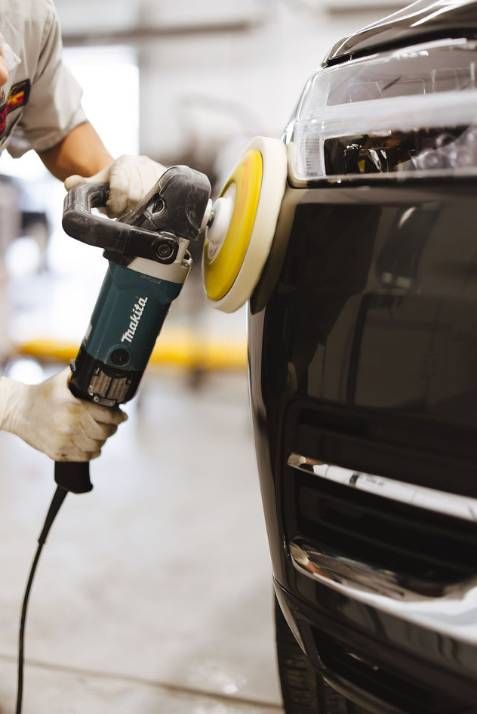
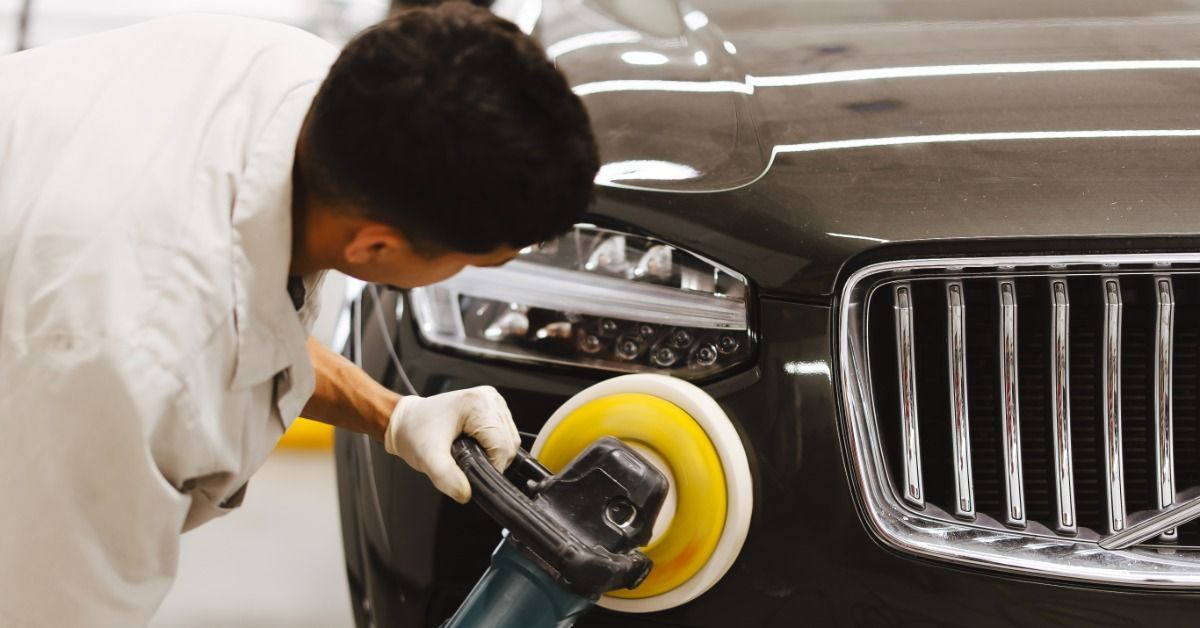
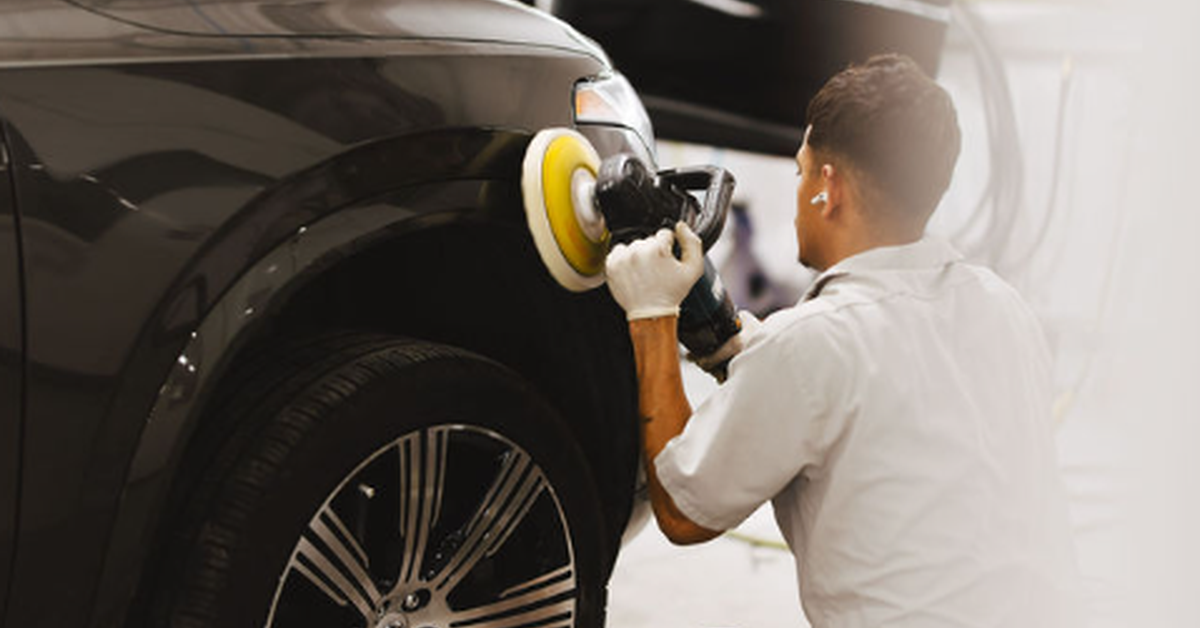
Regular washing and appropriate paint protection help reduce unnecessary wear. Covered parking can also limit prolonged exposure when available. Once clear-coat damage develops, ordinary polishing cannot always reverse it. Addressing early signs of deterioration usually offers more options than waiting until the finish starts peeling.
Unrepaired Scratches Around Doors and Bumpers
Scratches often appear during routine errands, especially around crowded parking spaces. A light mark may affect only the surface, while a deeper scratch can penetrate protective paint layers. When exposed metal becomes vulnerable to moisture, corrosion can follow. That turns a cosmetic annoyance into a more involved repair concern.
Buyers rarely know how deep a scratch goes just by looking. They may assume the worst and subtract anticipated repair costs from their offer. Having visible damage assessed before listing the car can clarify whether simple correction or professional refinishing makes sense.
Lingering Odors Inside the Cabin
A vehicle can look immaculate outside and still disappoint someone during a test drive. Persistent smoke, food, or pet odors create an immediate negative impression. Fragrance sprays sometimes make matters worse by layering strong scents over the original smell. Buyers may worry that upholstery or ventilation components need extensive cleaning.
Address spills quickly and allow damp surfaces to dry thoroughly. Cleaning fabric and floor mats regularly helps prevent odors from settling into porous materials. If a smell persists, identifying its source matters more than covering it temporarily. A fresh-smelling cabin makes the vehicle feel better maintained.
Mismatched Paint After Previous Repairs
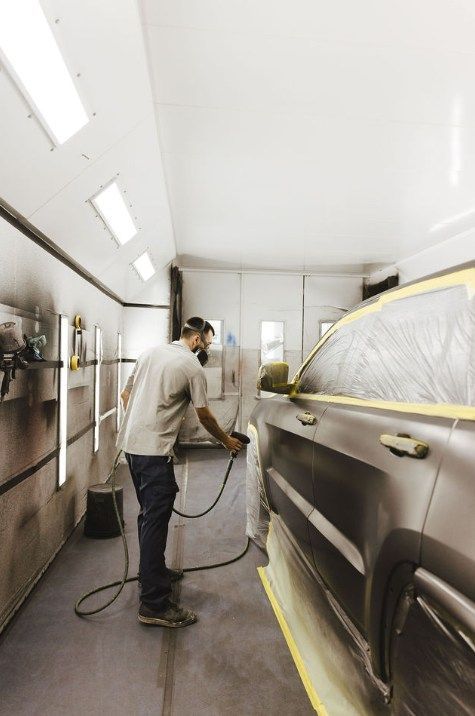
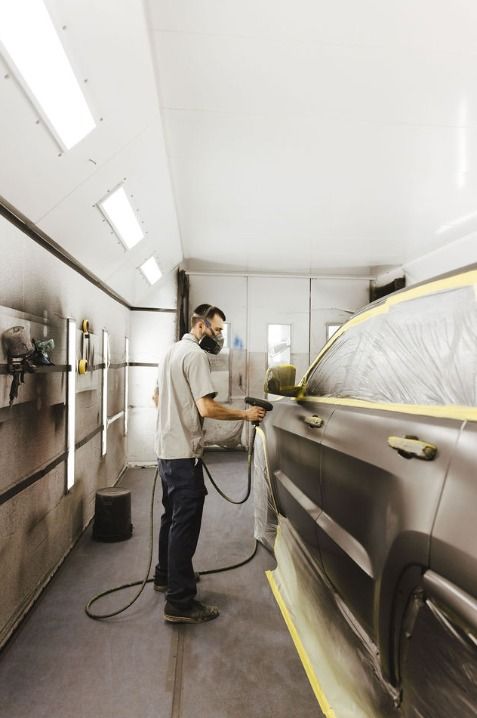
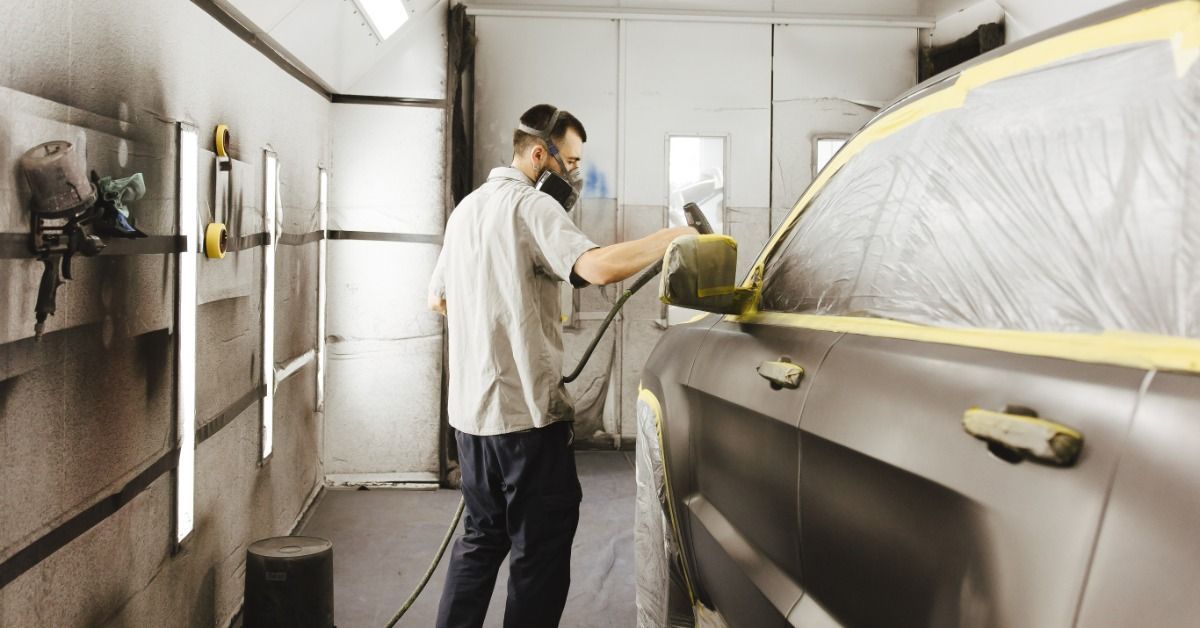
Not every body repair produces an invisible result. Slight differences in color or finish can become obvious under bright sunlight. Poor blending may draw attention to a panel even when the underlying repair addressed the damage. Buyers might then question the quality of previous work or ask whether the vehicle suffered a larger collision.
Professional paint matching considers more than a color code. Age, finish characteristics, and adjacent panels can affect the final appearance. Keeping repair documentation also helps explain what happened and how the shop corrected it. Clear repair records can reassure potential buyers and help address concerns about previous damage.
Neglected Headlights That Look Cloudy
Cloudy headlights can make an otherwise attractive vehicle appear older than it is. Plastic lenses gradually develop oxidation and surface wear from environmental exposure. The resulting haze affects appearance and may reduce useful light output. Buyers often treat this visible deterioration as another sign that the car needs attention.
Headlight restoration can improve some lenses, although severely damaged units may require replacement. Choose a method that includes suitable protection against renewed oxidation. Simply making the lenses shiny for a few days does little to solve the underlying problem. Clear headlights contribute to a more cared-for presentation.
Cheap Exterior Accessories and Modifications
Personalizing a vehicle can make ownership more enjoyable, but unusual modifications may narrow the pool of interested buyers. Oversized decals, poorly fitted trim, or aftermarket body pieces can clash with the vehicle's original design. Some buyers also worry about hidden installation damage beneath accessories. A modification that feels valuable to one owner may hold little appeal for another.
Before making permanent exterior changes, consider whether you can restore the original appearance. Save factory components when practical and avoid drilling unnecessary holes into body panels. Reversible upgrades generally provide more flexibility when selling. The goal is not to eliminate personality, but to recognize that resale preferences differ.

Dirty Wheel Wells and Hidden Grime
Many owners wash visible body panels but overlook areas around the wheels. Road salt and trapped debris can collect in wheel wells, especially through Chicago winters. Accumulated grime makes inspection difficult and can hold moisture against vulnerable surfaces. A buyer examining the underside may interpret heavy buildup as evidence of poor care.
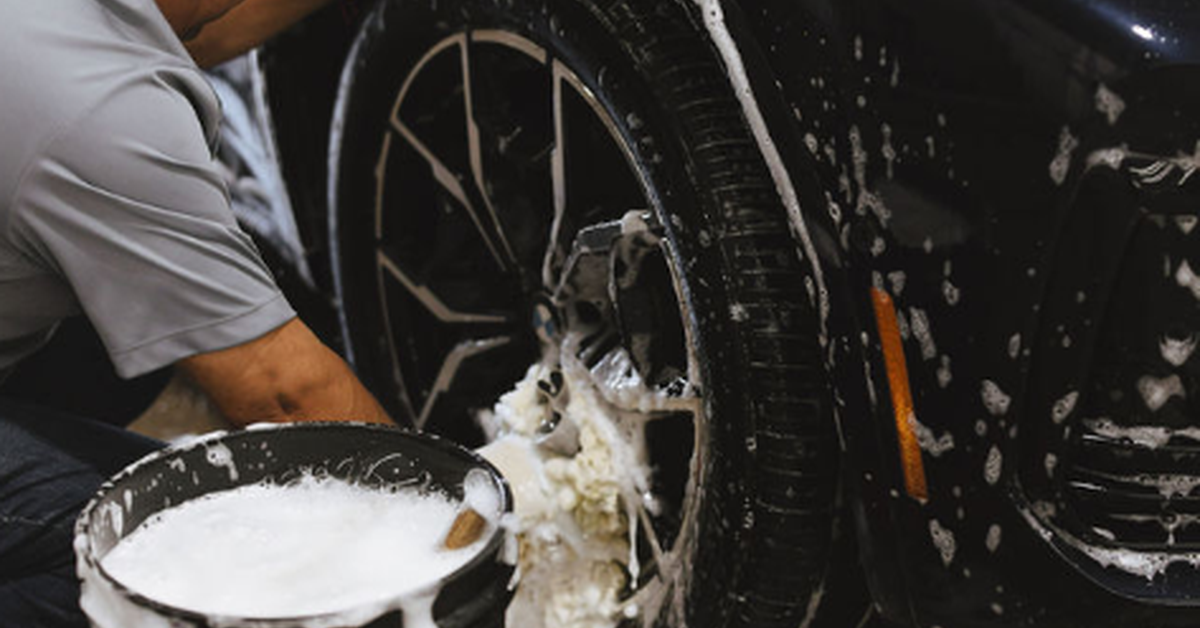
Gentle, regular cleaning helps remove residue before it becomes stubborn. Inspect exposed edges for chips or early corrosion while cleaning. Avoid aggressive pressure around delicate components or damaged coatings. Attention to overlooked areas demonstrates consistent upkeep rather than a last-minute attempt to impress.
Inconsistent Repair Records and Missing Receipts
A clean exterior tells only part of a vehicle's story. Buyers also want reassurance that previous damage received appropriate professional attention. When owners cannot explain visible repairs or provide supporting paperwork, uncertainty can influence negotiations. Missing records do not automatically mean poor workmanship, but they make questions harder to answer.
Keep estimates, final invoices, and relevant photographs together. Record when repairs occurred and which areas received attention. This simple habit helps you describe the vehicle accurately when trading it in or selling privately. Organized documentation makes conversations easier and reduces avoidable confusion.
Protect Your Car’s Value With Timely Dent Repair
Many surprising things that hurt your car’s value start as small problems that are easy to dismiss. Addressing cosmetic damage promptly helps preserve your vehicle's appearance and gives prospective buyers fewer reasons to hesitate. River North Collision Repair provides paintless dent removal in Chicago for eligible dents, helping restore smooth body panels while preserving the existing finish. Our team can assess the damage and explain whether this approach suits your vehicle. Contact River North Collision Repair to discuss your dent repair options before minor imperfections become lasting visual distractions.