Do’s and Don’ts After You’re in a Car Accident

Car accidents can turn an ordinary day into a stressful experience within seconds. Whether you experience a minor fender bender or a serious collision, your next steps can affect your safety and the condition of your vehicle. Understanding the do’s and don’ts after you’re in a car accident helps you avoid costly mistakes while protecting your interests. Knowing how to respond also makes the insurance claims process easier and helps you approach necessary vehicle repairs with confidence.
Do Prioritize Your Safety Immediately
Your safety should always come first following a collision. Check yourself for injuries before attempting to move or exit your vehicle. If you notice pain or dizziness, avoid unnecessary movement and request emergency assistance. Even seemingly minor accidents can cause injuries that become noticeable later.
If your vehicle remains operational and you can move it safely, relocate to a nearby shoulder or parking area. Turn on your hazard lights to alert approaching drivers. However, never attempt to move your vehicle when doing so creates additional danger.
Check on other passengers when conditions allow. Contact emergency services immediately if anyone needs medical attention.
Don’t Leave the Accident Scene Prematurely
Leaving an accident scene without fulfilling your responsibilities can create serious legal complications. Even when damage appears insignificant, remain at the location until you complete the necessary steps. Illinois drivers must follow applicable reporting requirements and exchange information following qualifying accidents.
Avoid assuming that a small scratch or dent eliminates your responsibilities. Some collisions cause damage beneath exterior panels that drivers cannot identify immediately.
If authorities respond, cooperate with their instructions and provide accurate information. Before departing, confirm that you have collected the necessary details and understand whether additional reporting requirements apply.
Do Contact the Police When Necessary
Calling the police can help establish an accurate account of what happened. Officers can document important details and address immediate safety concerns. In Illinois, certain accidents require police notification, particularly when injuries or significant property damage occur.
Explain the circumstances clearly without making assumptions about another driver's behavior. Focus on what you personally observed rather than guessing about the cause.
Request information about obtaining the official accident report when officers respond. Your insurance company may request this documentation while reviewing your claim. Keep the report information accessible throughout the repair process.
Don’t Admit Fault or Make Assumptions
Emotions often run high following a collision, especially when drivers feel shaken or frustrated. However, avoid immediately accepting responsibility before understanding the circumstances. An apology might seem polite, but others could interpret certain statements as admissions of fault.
Instead, communicate calmly and stick to observable facts. Describe vehicle positions or traffic conditions without assigning blame.
Insurance companies evaluate available evidence when determining responsibility. Allow that process to unfold rather than making premature conclusions. Never argue with another driver about fault at the accident scene, particularly when tensions escalate.
Do Document the Accident Thoroughly
Accurate documentation can make a meaningful difference when filing an insurance claim. Once everyone reaches a safe location, photograph the vehicles and visible damage. Capture several angles that show the impact areas and surrounding conditions.
Include nearby traffic signs or roadway markings when relevant. These details may help explain how the collision occurred.
Exchange contact information and insurance details with the other driver. Record their vehicle's license plate number and basic identifying information.
If witnesses voluntarily offer assistance, ask whether they feel comfortable sharing their contact details. Preserve your photographs and notes somewhere accessible so you can reference them later.
Don’t Ignore Hidden Vehicle Damage
A damaged bumper might look like a cosmetic inconvenience, but appearances rarely tell the entire story. Modern vehicles contain structural components and safety equipment behind exterior panels. A collision can affect these parts without leaving obvious signs.
For example, an impact may damage bumper reinforcement components or disrupt nearby sensors. Misaligned panels can also indicate problems that require closer inspection.
Avoid assuming your vehicle remains completely safe simply because it still drives normally. A professional collision repair assessment can identify concerns that casual visual inspections overlook. Addressing damage promptly may prevent additional complications and support a more complete restoration.
Do Notify Your Insurance Company Promptly
Contact your insurance provider as soon as reasonably possible after the accident. Explain what happened and provide the documentation you collected. Your insurer can explain applicable coverage and outline the claims process.
Review your policy before making decisions about repairs. Understanding your deductible and coverage limitations can help you anticipate potential expenses.
Keep records of conversations with insurance representatives, including important instructions and claim updates. Ask questions whenever terminology or requirements seem unclear.
You should also understand your options when selecting a repair facility. Choosing an experienced collision repair shop allows you to discuss your vehicle's specific needs before work begins.

Don’t Rush Into Unnecessary Repair Decisions
After an accident, many drivers want their vehicles repaired immediately. While prompt attention matters, rushing through estimates can create confusion about the necessary work. Take time to understand the damage assessment and proposed repairs.
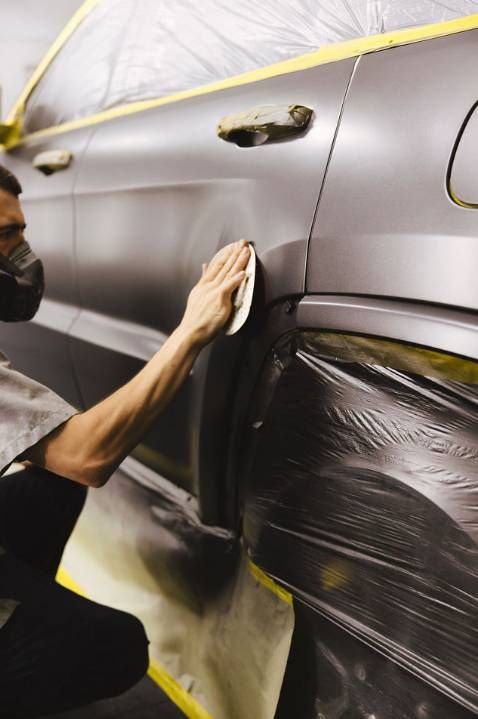
Ask the repair facility to explain which components need replacement and which areas may qualify for repair. Discuss paint matching when the collision affects visible exterior surfaces.
Remember that an initial estimate may change if technicians uncover additional damage during disassembly. Request clear communication about these findings before approving additional work. A thoughtful approach helps you make informed decisions without sacrificing repair quality.
Do Choose a Qualified Collision Repair Shop
Selecting the right repair facility matters when restoring your vehicle after an accident. Look for professionals who can explain their inspection process and provide detailed estimates. Clear communication helps you understand what your vehicle needs.
Experienced technicians evaluate visible collision damage while checking for related problems. They can also explain whether damaged exterior components require repair or replacement. Ask about the expected repair timeline and how the shop communicates progress. A reliable repair process should prioritize appropriate procedures and transparent expectations.
Don’t Overlook Your Vehicle After Repairs
Picking up your repaired vehicle marks an important milestone, but your responsibilities do not necessarily end there. Review the completed work before leaving the repair facility. Examine repaired surfaces under adequate lighting and check whether exterior panels align properly.
Ask questions about anything that looks unusual or differs from your expectations. Confirm that technicians addressed the concerns documented during the initial inspection.
Keep copies of repair invoices and related paperwork for future reference. These records may prove useful if questions arise about previous collision damage.
Pay attention to how your vehicle performs afterward. Report unexpected noises or warning indicators promptly.
Trust River North Collision Repair After an Accident
Understanding the do’s and don’ts after you’re in a car accident helps you protect yourself while making informed decisions about vehicle restoration. River North Collision Repair is a car bumper repair shop serving Chicago drivers who need professional attention after a collision. Our experienced team handles bumper damage and other auto body repairs with careful attention to quality. We provide clear estimates and explain the repair process so customers know what to expect. Whether your vehicle has minor cosmetic damage or more extensive collision damage, contact River North Collision Repair to discuss your repair needs.