Can a Body Shop Match Original Factory Paint?
A collision can leave a vehicle with dents and scratches that completely change its appearance. While drivers want to fix the damage, restoring the paint is often one of their biggest concerns. Even after technicians repair the car, a noticeable color difference can make the repaired area stand out.
Naturally, drivers want their vehicle to look as close to its pre-damage condition as possible. Professional body shops use paint codes, color-matching technology, and blending methods to achieve a close match.
However, matching automotive paint involves more than finding the right color name. Technicians must consider the vehicle’s age, existing finish, paint variations, and environmental exposure. Each factor can influence how the final color appears.
Can a Body Shop Match Factory Paint?
A skilled body shop can closely match original factory paint. However, the process requires more than ordering paint used on the vehicle’s make and model. Manufacturers use specific formulas that technicians identify through factory paint codes.
The factory formula gives technicians an important starting point. From there, they assess the vehicle’s existing finish and decide whether to adjust the color. This step helps account for changes that have occurred since the vehicle left the factory.
Technicians need to match the finish currently on the vehicle rather than relying only on its original specifications. Careful evaluation helps create a more consistent appearance between repaired and surrounding areas.
How Factory Paint Codes Help With Color Matching
Automakers assign paint codes to factory colors, giving repair professionals a valuable starting point. Depending on the manufacturer, the code may appear on a label or information plate somewhere on the vehicle. Common locations include the driver-side door jamb or under the hood. Repair professionals can also use manufacturer information to identify the correct formula for a particular vehicle.
The code connects technicians with a formula that specifies the components needed to recreate the original color. However, the factory formula does not always provide the closest possible match without further evaluation.
Production differences and changes to the existing finish can affect how the original color appears today. Technicians may need to refine the formula before applying paint to the repaired panel.
Why the Same Paint Code Can Have Different Variations
A single factory paint code can sometimes include several color variations. Small differences during vehicle production can influence the finished color, even when the manufacturer uses the same designated paint code.
Repair professionals need to determine which variation most closely matches the vehicle in front of them. Simply choosing the first formula associated with the code may not produce the desired appearance.
Age also matters when evaluating color. Sunlight and environmental exposure can gradually change the finish, while previous repairs may leave individual panels looking slightly different from the original factory paint.
Metallic and pearl colors can create additional challenges. Reflective particles influence how the paint looks under different lighting. Technicians must consider those visual characteristics as they refine the match.
What Technology Do Body Shops Use To Match Paint?
Modern paint matching combines manufacturer information, specialized tools, and technician experience. Depending on the paint system, technicians may use digital color-measuring equipment to analyze the existing finish.
The equipment helps identify color characteristics and suitable formulas. Technicians can compare those results with paint-system databases before mixing the color. This technology gives them valuable information during the matching process, but it does not determine the final result. Lighting and application technique can change how a color appears after technicians spray it onto the vehicle.
A professional auto paint shop combines technology with careful visual evaluation. Technicians use the available information as part of a larger process rather than relying on one measurement to determine the final color.
Why Paint Blending Matters After Collision Repair
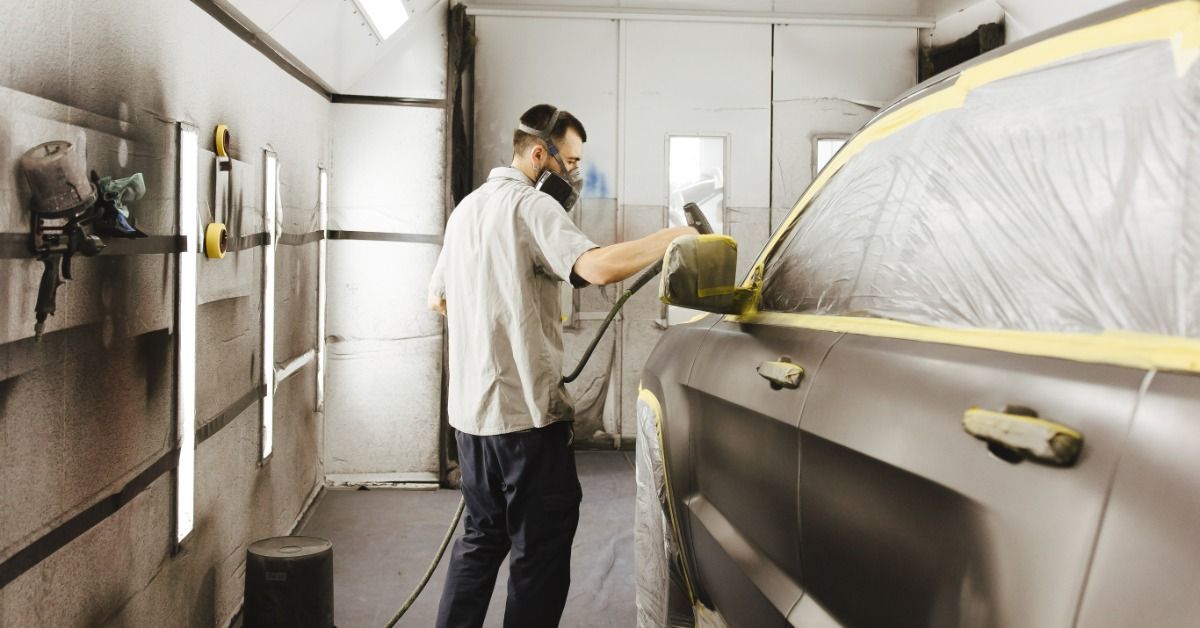
Even accurately mixed paint can look slightly different when technicians apply it only to one repaired panel. Nearby panels may have experienced years of sunlight and environmental exposure, while the newly refinished area starts fresh.
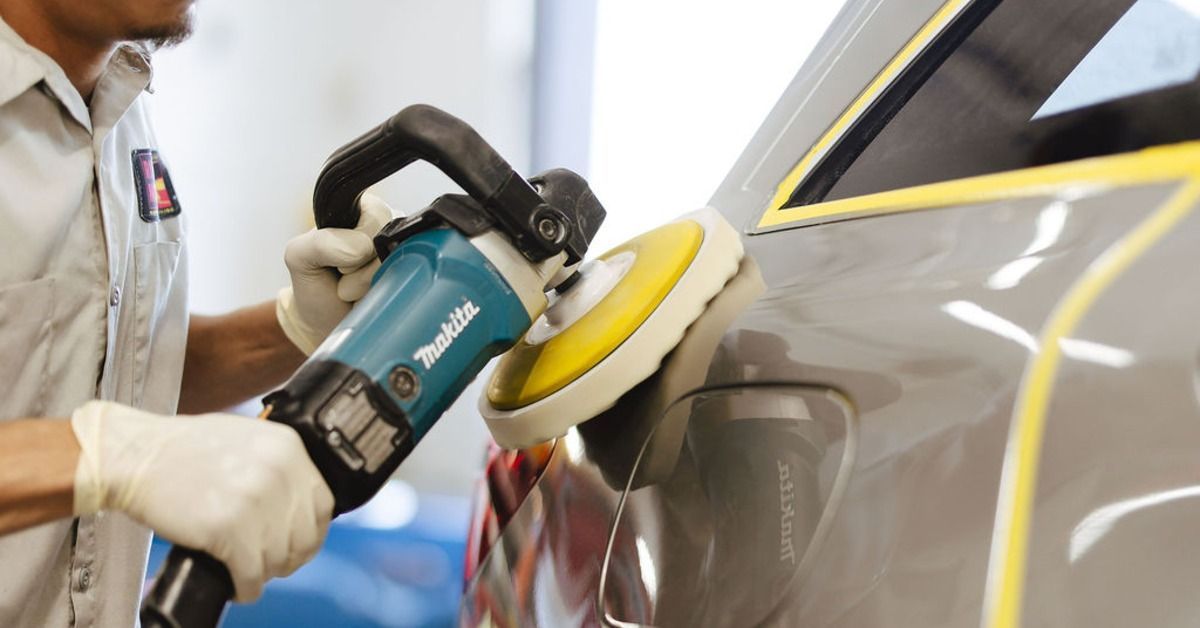
Paint blending helps reduce the visual transition between these surfaces. Technicians gradually extend color into the surrounding paint instead of creating a sharp stopping point that could make a slight difference easier to notice.
This technique helps the eye perceive a consistent color across the repaired area. The exact approach depends on the repair location, paint color, damage, and condition of surrounding panels.
Blending can become especially important with metallic and pearl finishes. These paints interact with light in complex ways, and spray technique affects how their reflective particles settle on the surface.
What Factors Make Automotive Paint Harder To Match?
Some vehicles require more color adjustment than others. Vehicle age, paint type, previous body work, and damage location can all influence the matching process.
Technicians also inspect neighboring panels before beginning refinishing work. Their condition provides important information about how the new paint needs to look next to the existing finish.
Several factors can make automotive paint matching more challenging:
- Sun exposure: Ultraviolet rays can gradually alter an older finish.
- Metallic particles: Particle orientation can change how paint reflects light.
- Pearl finishes: Multiple layers can create depth and visible color shifts.
- Previous repairs: Earlier refinishing may differ from the original factory color.
- Panel placement: Curves can affect how light reflects from painted surfaces.
- Paint condition: Scratches and surface wear can influence color appearance.
These factors do not automatically prevent technicians from achieving a close match. Instead, they make preparation, evaluation, and professional experience increasingly important.
Why Professional Paint Matching Makes a Difference
Automotive paint repair requires precision because even a small color difference can become noticeable under sunlight or bright lighting. Professional equipment gives technicians greater control over paint mixing and application.
Experience also helps technicians recognize subtle differences that a factory formula or digital measurement may not fully address. They can evaluate the paint from different angles and consider how it interacts with surrounding panels.
The goal extends beyond covering a scratch or repaired panel with a similar color. Professional refinishing helps the repaired area fit naturally with the rest of the vehicle instead of immediately drawing attention.
Restore Your Vehicle’s Finish With River North Collision Repair
So, can a body shop match original factory paint? While it may not be the exact same shade and finish, professional technicians can use their resources to deliver a high-quality result that blends seamlessly with the original paint.
At River North Collision Repair, we provide collision and paint repair services for vehicle owners throughout the Chicagoland area. Our team can inspect the damage and recommend services to restore your vehicle and remove it. Our professional paint matching can help repaired areas blend naturally with the rest of the vehicle.
Contact River North Collision Repair to discuss paint damage and determine the appropriate next steps for your vehicle. With the right repair team and careful paint matching, your vehicle can regain a smooth, consistent finish that looks right at home on the road.