Repair or Replace Your Car: 7 Things To Consider
Car damage can leave you with a difficult question: should you repair your vehicle or replace it? A minor collision may require a straightforward body repair, while extensive damage can make replacement the better financial choice. The right answer depends on your vehicle, the damage, repair costs, and your long-term plans.
Deciding based on appearance alone can lead you in the wrong direction. Damage that looks dramatic may remain repairable, while a seemingly minor collision can affect important areas beneath the exterior panels. Before repairing or replacing your car , consider these eight factors.
1. Consider the Extent of the Damage
Start by determining how much damage your vehicle actually sustained. Scratches, dents, damaged bumpers, and localized paint issues are often strong candidates for repair. More extensive collision damage may require repairs across several panels or areas of the vehicle.
A professional inspection provides a much clearer picture than a quick look in the driveway. Technicians can evaluate visible damage and check areas that may have sustained damage during the same impact. Knowing the full scope of the problem gives you better information for comparing repair and replacement.
Damage location also matters when considering your options. A dented door or damaged bumper creates a different repair situation than extensive damage across several sections of the vehicle. An accurate assessment helps establish what the repair process would involve before you make a major financial decision.
2. Compare Repair Costs With Your Car’s Value
Repair cost plays a major role in deciding whether to keep a vehicle after it has been damaged. Start by comparing a professional repair estimate with your vehicle’s current market value. A relatively affordable repair on a valuable vehicle is easier on your wallet compared to replacing the car right away.
The decision becomes more complicated when estimated repairs approach a large portion of the vehicle’s value. Age, mileage, condition, and local market demand can all influence what your car is worth. Use realistic numbers instead of relying on what you originally paid. Compare the full financial picture rather than matching a repair estimate to a dealership sticker price.
3. Review the Vehicle’s Age and Overall Condition
Your car’s age should influence the decision, but it shouldn't determine it. An older vehicle that remains in good overall condition may still justify body repairs after a collision. A newer vehicle may also require significant consideration if the collision damage is extensive.
Look at the vehicle's overall condition before deciding what to do. If you have already invested in serious auto bumper repair services and know the vehicle still functions reliably, then it might be better to keep the car. A vehicle you know and maintain may have practical value beyond a simple market-value estimate.
On the other hand, existing problems can change the calculation. Extensive wear or several upcoming expenses may make a major collision repair harder to justify. Consider the vehicle as a whole rather than the latest damage in isolation.
4. Account for Insurance Coverage
Insurance can significantly affect how much you actually pay after a collision. Your coverage and insurer’s assessment can influence the financial side of the decision. Review your policy and claim details before assuming you must cover the entire repair yourself.
If an insurer determines that repair costs exceed its threshold relative to the vehicle’s value, it may consider the vehicle a total loss. That calculation doesn't necessarily mean the car looks destroyed or cannot physically be repaired.
When reviewing an insurance claim, keep several pieces of information together:
- The body shop’s repair estimate
- Your applicable insurance deductible
- The insurer’s vehicle valuation
- Your policy coverage and limits
- Any additional damage identified during inspection
- Your expected out-of-pocket expenses
These details create a clearer basis for your decision. Ask questions when an estimate, valuation, or claim document contains something you do not understand. Clear information can prevent assumptions from driving an expensive choice.
5. Consider Safety and Repair Quality
Cost matters, but safe and proper repairs deserve equal attention. Collision damage can extend beyond the obvious dent, scratch, or cracked exterior component. A thorough inspection helps identify the full repair needs before technicians begin restoring the vehicle.
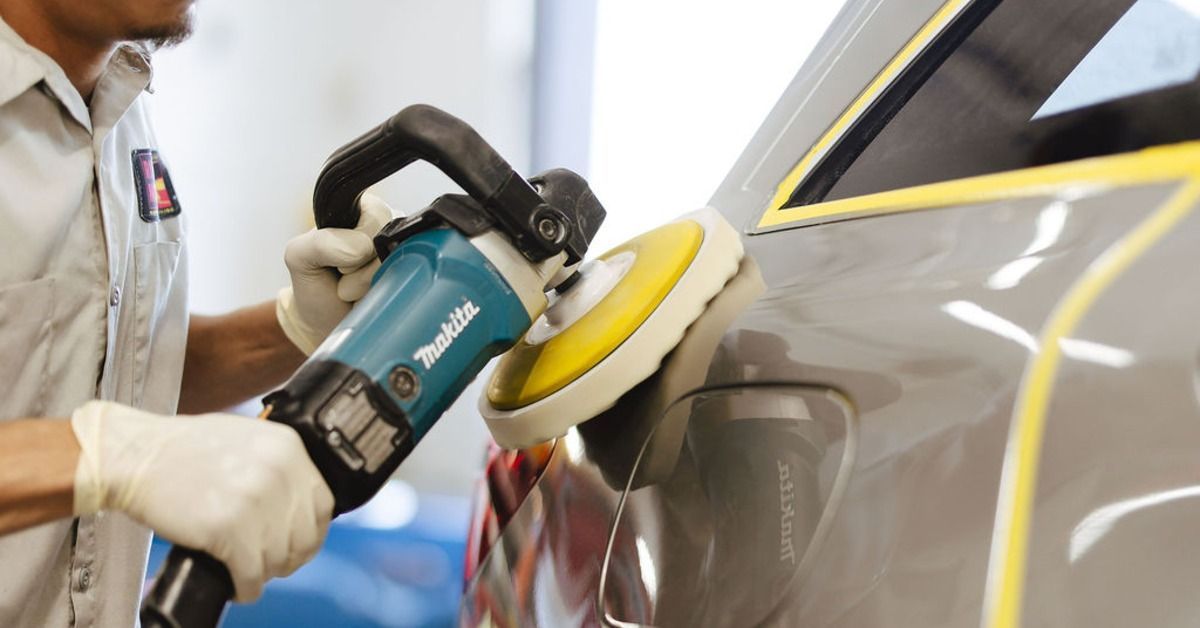
Repair quality also influences whether keeping the vehicle makes sense. Experienced auto body technicians follow proper repair procedures and restore damaged areas correctly. Cutting corners simply to reduce the estimate can create a poor outcome and make the lower price less valuable.
Ask the body shop to explain the proposed repair plan before authorizing the work. A clear estimate should help you understand which areas need attention and why the shop recommends particular procedures. That transparency makes it easier to evaluate whether repairing the car fits your priorities.
6. Factor In the True Cost of Replacing Your Car
Replacing a vehicle can solve one problem while creating several new expenses. Even if your damaged car requires a substantial repair, purchasing another vehicle may require a down payment, monthly payments, taxes, registration fees, and potentially different insurance costs. Those expenses can quickly exceed the amount you expected to spend.
A replacement vehicle also comes with uncertainty. Unless you purchase a new car, you may not know every detail about a used vehicle’s previous care, driving conditions, or body repair history. By comparison, you already know your current car's history.
Convenience deserves consideration too. Searching for vehicles, arranging financing, comparing options, completing paperwork, and adjusting your household budget all require time. Repairing a familiar vehicle may offer a simpler path when the damage remains practical to restore.
7. Think About How Long You Plan To Keep the Vehicle
Your future plans can shift the balance between repair and replacement. If you planned to keep the vehicle for several more years, investing in quality body repairs may make sense. Restoring the damage can let you keep a vehicle that already fits your daily needs.
If you already planned to replace the car soon, a major repair bill deserves closer evaluation. Consider how much money you would invest in the repair and how much useful time you expect to gain afterward. That comparison can help you avoid spending heavily on a vehicle you intend to sell shortly.
Make the Decision With a Professional Damage Assessment
The choice between repairing and replacing a damaged car rarely comes down to one number. Looking at these factors together provides a more useful answer than judging the vehicle by its damaged appearance.
A professional body shop can assess collision damage and provide an estimate that helps you compare your options with real information. At River North Collision Repair, our team provides automotive body work for Chicagoland vehicle owners. Drivers can count on our professional services and technicians who make the process seamless from start to finish.
When your car sustains damage, gather the facts before deciding its future. A thorough assessment can show whether repairing your current vehicle remains a practical choice or whether replacement deserves stronger consideration. Contact River North Collision Repair to have your vehicle damage evaluated and discuss available repair options.