What Makes Headlights Foggy and How To Fix It
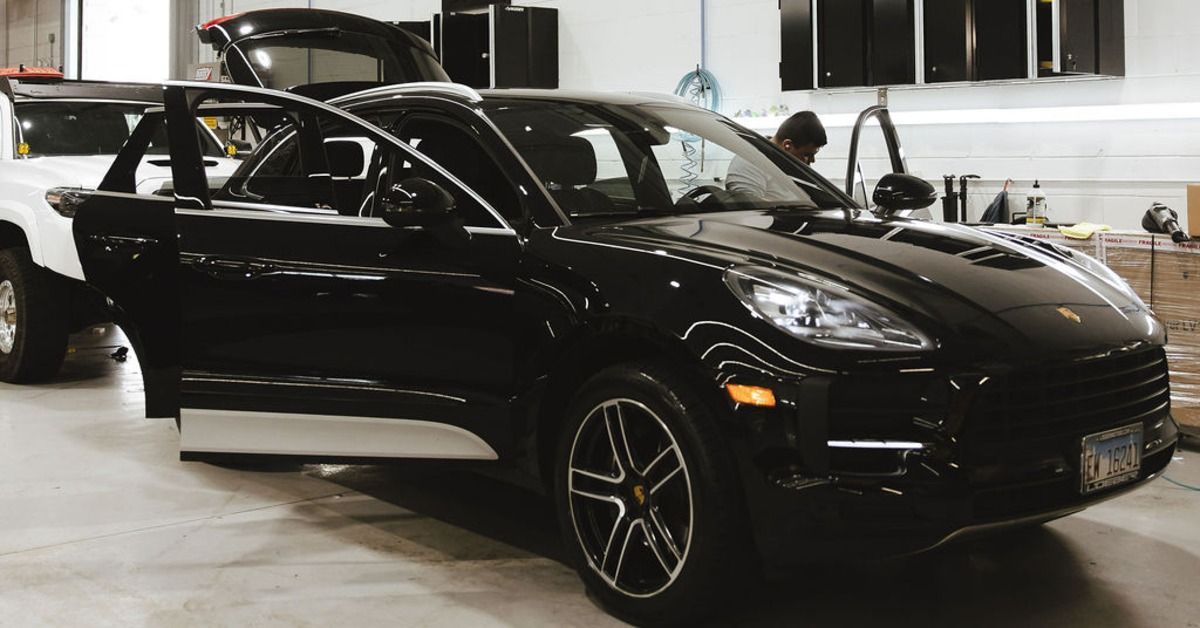
Foggy headlights can make an otherwise well-maintained vehicle not only look older, but also reduce visibility and safety on the road. Cloudy lenses can reduce light output and make nighttime driving more difficult, especially during rain or poorly lit conditions.
While headlight lenses face constant exposure to changing weather and road debris, many drivers don’t pay attention to them and their importance. Understanding what makes headlights foggy and how to fix it can help drivers choose the right solution before visibility worsens.
1. Why Headlight Lenses Become Foggy
Most modern vehicles use plastic headlight lenses because the material offers durability and a lower weight than traditional glass. Manufacturers apply a protective coating to the plastic to help shield it from sunlight, minor scratches, and environmental exposure.
Over time, daily driving gradually wears that protective layer down and leaves the underlying plastic more vulnerable. Once the surface loses enough protection, headlights can develop a yellow, cloudy, or hazy appearance.
The speed of this deterioration varies based on where and how a driver uses and stores the vehicle. A car that spends most days outdoors may experience more sunlight and environmental exposure than one that is parked inside a garage. Fogging often develops slowly, which makes the change easy to overlook until the difference becomes significant.
2. UV Exposure Causes Oxidation
Sunlight is one of the biggest contributors to cloudy headlight lenses because ultraviolet rays gradually affect exposed plastic. As the original protective coating deteriorates, oxidation can create a dull or yellow layer across the lens surface. The change may begin as a slight haze before spreading across a larger portion of the headlight.
Oxidation affects more than the polished appearance of the front end. A heavily oxidized lens can interfere with the amount and quality of light that reaches the road ahead. Cleaning the vehicle with ordinary soap will not remove deep oxidation because the problem affects the lens surface itself. Restoring clarity usually requires removing the damaged outer layer and protecting the newly restored surface afterward.
3. Dirt, Salt, and Road Debris Take a Toll
Headlights sit at the front of a vehicle, where they constantly encounter grime thrown up from streets and nearby traffic. Dust, insects, road salt, mud, and other contaminants can coat the lenses and temporarily reduce their clarity.
Chicago winters add another challenge because slush and road treatments can leave stubborn residue across the vehicle's front end. Regular washing helps prevent that buildup from creating a persistent film that makes headlights look cloudy.
Small debris can also strike the lenses while a vehicle moves at highway speeds. Over time, countless minor impacts can create tiny scratches and surface imperfections that scatter light instead of letting it pass cleanly through the lens.
4. Moisture Inside a Headlight Signals a Different Problem
Not every cloudy headlight develops because of oxidation on the outside of the lens. Sometimes condensation or visible water droplets appear inside the headlight assembly after moisture finds a path into the housing. A damaged seal or other opening can allow excess moisture to collect where normal exterior cleaning cannot reach it.
This problem requires a different approach than simply polishing the outside surface. Since a small amount of temporary condensation doesn't always indicate severe damage, it may seem minor, but persistent moisture deserves attention. Water that repeatedly collects inside the housing can reduce visibility and may indicate a compromised headlight assembly.
How To Tell What Kind of Fogging You Have
Before attempting a repair, determine whether the haze sits on the exterior surface or inside the headlight assembly. Wash and dry the lens first because ordinary grime can mimic more serious cloudiness.
If the haze remains and the outside surface feels rough or looks yellow, oxidation likely contributes to the problem. Visible droplets or condensation behind the lens, however, point toward moisture inside the assembly.
A quick inspection can help drivers narrow down the likely cause before choosing their next step. Look at both headlights in daylight and compare their color, transparency, and overall condition. One severely cloudy headlight may indicate localized damage, while similar discoloration on both sides often suggests long-term environmental exposure. Drivers should also check for chips and other damage around each headlight.
Common warning signs include:
- Yellow or brown discoloration across the lens
- A milky or hazy exterior surface
- Fine scratches or rough areas
- Water droplets inside the housing
- Recurring internal condensation
- Cracks along the lens or assembly
- Noticeably weaker nighttime illumination
Key Methods to Fixing Foggy Headlights
The right fix for foggy headlights depends on whether oxidation covers the exterior lens or moisture collects inside the assembly. Surface haze often responds well to restoration, while internal condensation may require closer inspection and repair. Before starting, clean the headlights and check for cracks or visible water droplets. Identifying the source helps prevent wasted effort and makes it easier to choose an effective solution.
Restore an Oxidized Headlight Lens
Drivers can often improve an oxidized lens with a headlight restoration kit designed for automotive plastic. Start by thoroughly washing and drying the lens, then protect the surrounding painted surfaces before sanding or polishing.
Severely deteriorated lenses may not respond well enough to a basic restoration kit. In that case, professional evaluation can help determine whether further restoration or replacement makes more sense.
Choose Professional Headlight Restoration
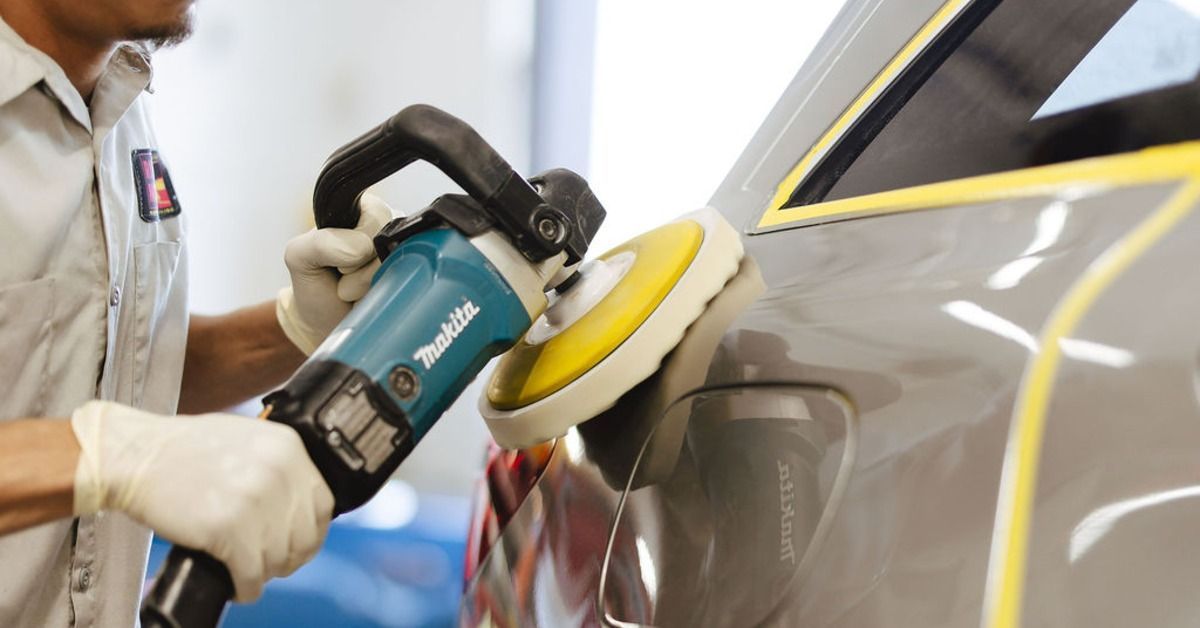
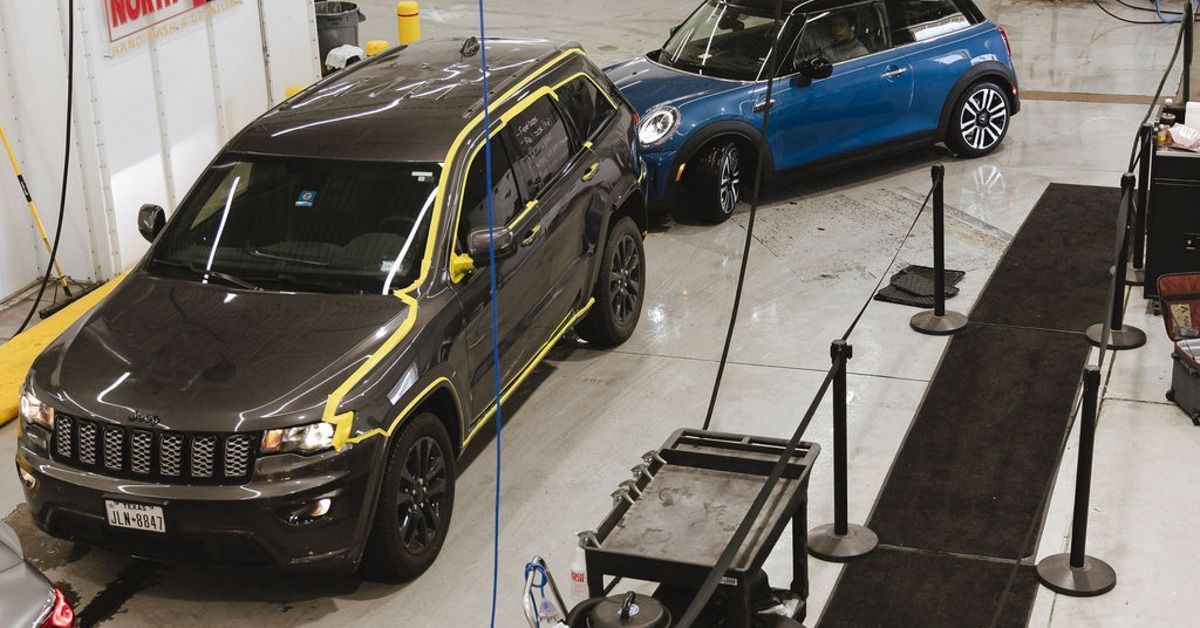
Professional headlight restoration can provide a more thorough solution when oxidation or stubborn haze make DIY methods ineffective. Automotive professionals can evaluate the lens condition, remove damaged surface material, and apply protective products using appropriate equipment and techniques.
They can also inspect nearby areas for cracks or other concerns that may contribute to the problem. A professional approach can restore clearer headlights while addressing damage that a basic cleaning or restoration kit cannot correct.
When Headlight Replacement Makes More Sense
Restoration works best when surface deterioration causes the cloudiness and the headlight assembly remains structurally sound. Deep cracks, severe damage, extensive internal deterioration, or recurring water intrusion may make replacement a more practical option.
A damaged assembly needs more than cosmetic polishing because restoration cannot correct every underlying problem. An inspection can help determine whether restoring the existing lens offers a reasonable solution or whether replacement deserves consideration.
Collision damage can also affect the headlight, surrounding panels, mounting points, bumper, and other front-end components. Even a relatively minor impact can leave visible or hidden damage around the headlight area that deserves a closer look.
A qualified body shop in Chicago, like River North Collision Repair, can evaluate related auto body damage and explain what repairs the vehicle needs. Our professional assessment helps drivers avoid treating a cloudy or damaged lens as an isolated cosmetic issue when an impact caused additional problems.
Keep Headlights Clear for Better Visibility
Understanding what makes your headlights foggy and how to fix it helps drivers maintain a clean vehicle appearance while supporting visibility. Addressing those warning signs early often makes it easier to identify an appropriate repair.
River North Collision Repair provides collision and auto body services for car owners throughout the Chicagoland area. Our technicians can help restore your vehicle to its best condition. If you’re dealing with headlight cloudiness, contact River North Collision Repair to have the affected area evaluated and discuss next steps to restore the vehicle.