Oxidized Car Paint: Causes and How To Restore It
Car paint enhances your vehicle's appearance while also protecting the body from environmental damage. Addressing oxidized paint early helps preserve your vehicle's value while preventing more extensive surface damage. Knowing what causes oxidized car paint and how to restore it can help you keep your vehicle looking its best.
What is Car Paint Oxidation?
Car paint oxidation occurs when the protective surface breaks down after prolonged exposure to sunlight, air, and environmental contaminants. The paint gradually loses its shine and develops a dull, chalky appearance.
Older vehicles without modern clear coats often experience oxidation more quickly. Prompt attention helps prevent further surface damage and preserves the vehicle's appearance.
What Causes Paint Oxidation?
Several factors contribute to paint oxidation over time. Constant ultraviolet exposure weakens the paint and dries out protective layers. Dirt, road salt, bird droppings, and tree sap also damage the finish when they remain on the surface. Infrequent washing and waxing allow these contaminants to accelerate oxidation.
Signs Your Paint Has Started To Oxidize
Early detection makes restoration easier and more affordable. Drivers often notice fading, discoloration, or rough textures across exposed panels. White and red vehicles commonly show oxidation more quickly due to pigment characteristics. Addressing these warning signs quickly helps maintain the vehicle's finish and resale value.
How Professionals Restore Oxidized Paint
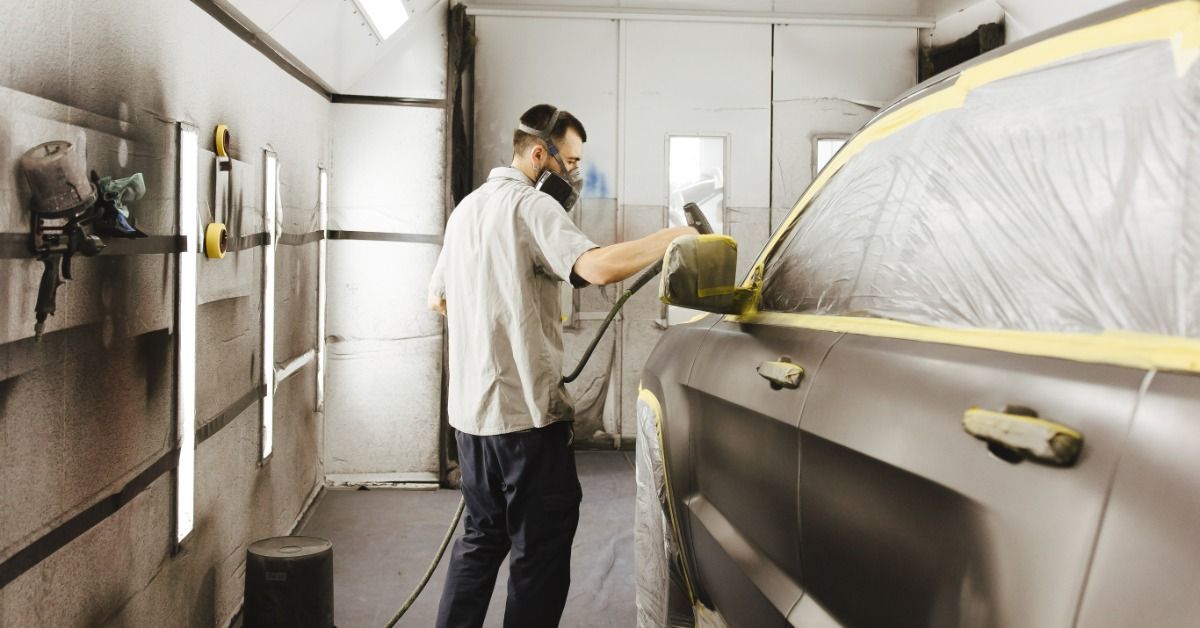
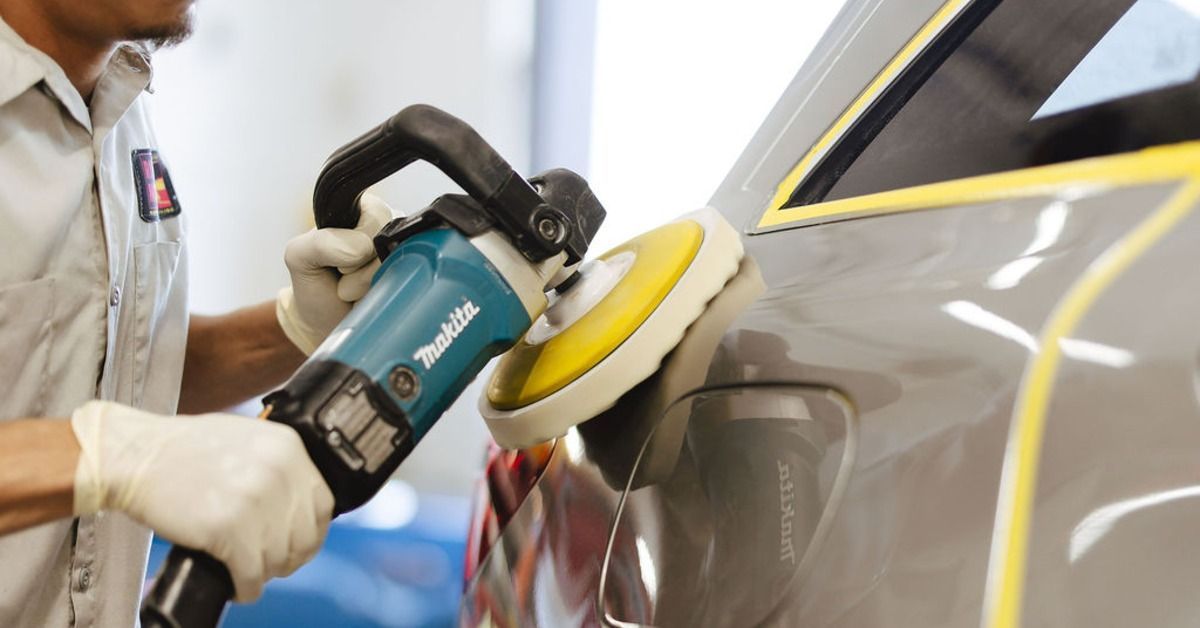
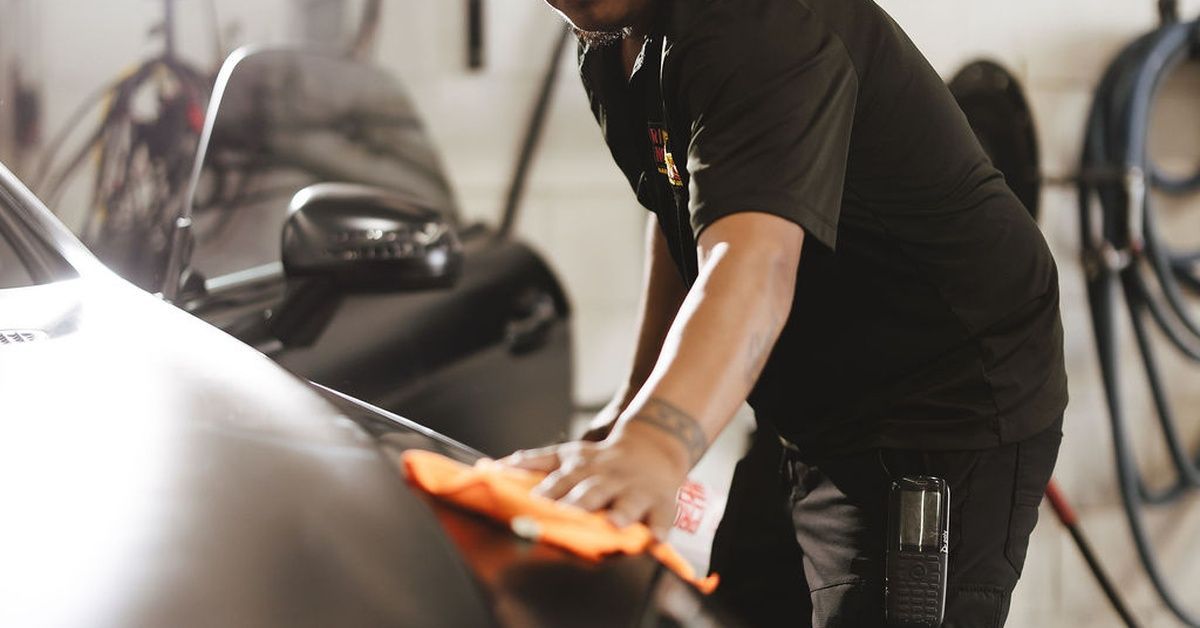
Professional restoration begins with a thorough wash and decontamination process. Technicians then polish the affected areas to remove the damaged outer layer and restore gloss.
Severe oxidation may require more extensive paint correction or refinishing. At River North Collision Repair, our experienced automotive paint repair shop can evaluate the condition and recommend the most effective restoration method.
When Paint Restoration Is No Longer Enough
Some vehicles develop oxidation that extends beyond the clear coat into the colored paint layer. Polishing cannot reverse this level of damage because the paint has permanently deteriorated.
Professional repainting restores both appearance and long-term protection. Quality refinishing also creates a consistent finish that blends seamlessly across repaired panels.
How To Prevent Future Paint Oxidation
Routine care significantly slows the oxidation process and protects your vehicle's finish. Consistent maintenance creates a barrier against damaging environmental conditions. Simple habits often provide years of additional protection.
- Wash the vehicle regularly.
- Remove bird droppings and tree sap quickly.
- Apply quality wax several times each year.
- Park in covered or shaded areas whenever possible.
- Schedule professional paint inspections after noticeable fading.
Why Professional Repairs Deliver Better Results
Professional technicians use specialized equipment and proven techniques that produce consistent results. They also inspect the surrounding panels for additional paint damage that may not be immediately apparent.
Proper restoration protects the finish while improving the vehicle's overall appearance. Professional service also helps extend the lifespan of the repaired surface.
Protect Your Vehicle's Finish
Understanding the causes of oxidized car paint and its restoration methods helps vehicle owners protect their investment and prevent further surface damage. Timely restoration prevents minor issues from becoming expensive repairs.
The experienced repair professionals at River North Collision Repair can restore faded finishes while protecting the vehicle against future deterioration. Investing in our professional paint care keeps your vehicle looking polished and well-maintained for years to come. Contact us today to schedule an appointment for your vehicle.