10 Things That Should Be Included in an Auto Paint/Repair Job
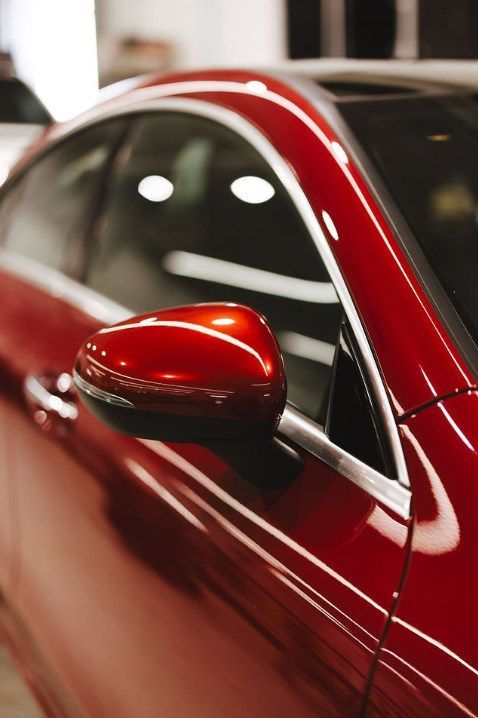
A quality paint or body repair involves much more than making damaged metal look presentable. Drivers should understand the things that should be included in an auto paint/repair job before approving an estimate or handing over their keys. Proper preparation, careful repairs, and a thorough final inspection all influence how the finished vehicle looks and performs. Knowing what to expect also makes it easier to ask useful questions and recognize when a shop has overlooked an important step.
A Clear Inspection Before Work Begins
Every successful repair starts with understanding the damage. A technician should examine the affected panels, identify visible scratches or dents, and check nearby areas for problems that might change the repair plan. Even a small scrape can affect more than the paint surface, especially when the impact reaches the underlying material.
The shop should explain what it finds in straightforward language. If technicians need to remove a part to inspect concealed damage, they should tell you why. This initial conversation helps establish realistic expectations before anyone starts sanding or replacing components.
A Written Estimate That Explains the Work
A useful estimate does more than provide a total price. It identifies the repairs the shop plans to perform and separates labor from materials or replacement parts where appropriate. You should be able to understand what the quoted work covers without translating unfamiliar shop terminology yourself.
Ask how the shop handles additional damage that appears after disassembly. A clear approval process helps prevent confusion when the original estimate needs adjustment. The final invoice should also reflect the work the shop actually completed.
Before authorizing the job, ask who will explain updates and how the shop will contact you if the repair plan changes. You can also request clarification about which areas will receive new paint. These practical details make the process easier to follow and help prevent misunderstandings at pickup.
Proper Cleaning and Surface Preparation
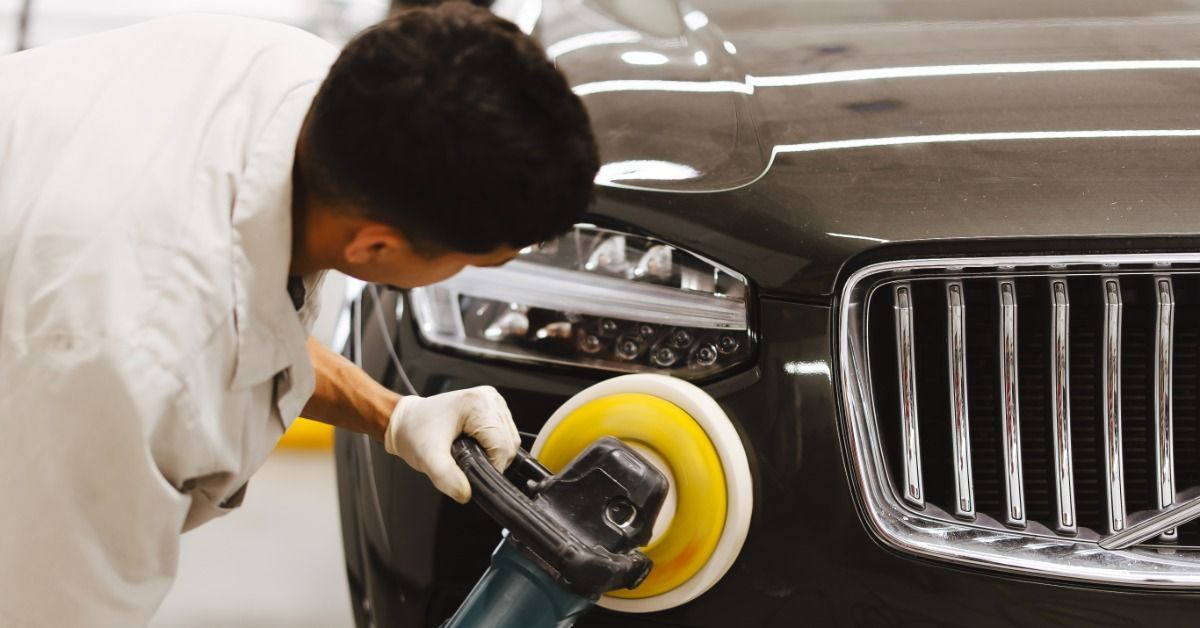
Paint cannot hide poor preparation forever. Before applying new coatings, technicians need to remove contaminants that interfere with adhesion. They also need to address damaged paint edges and create a suitable surface for the repair materials.
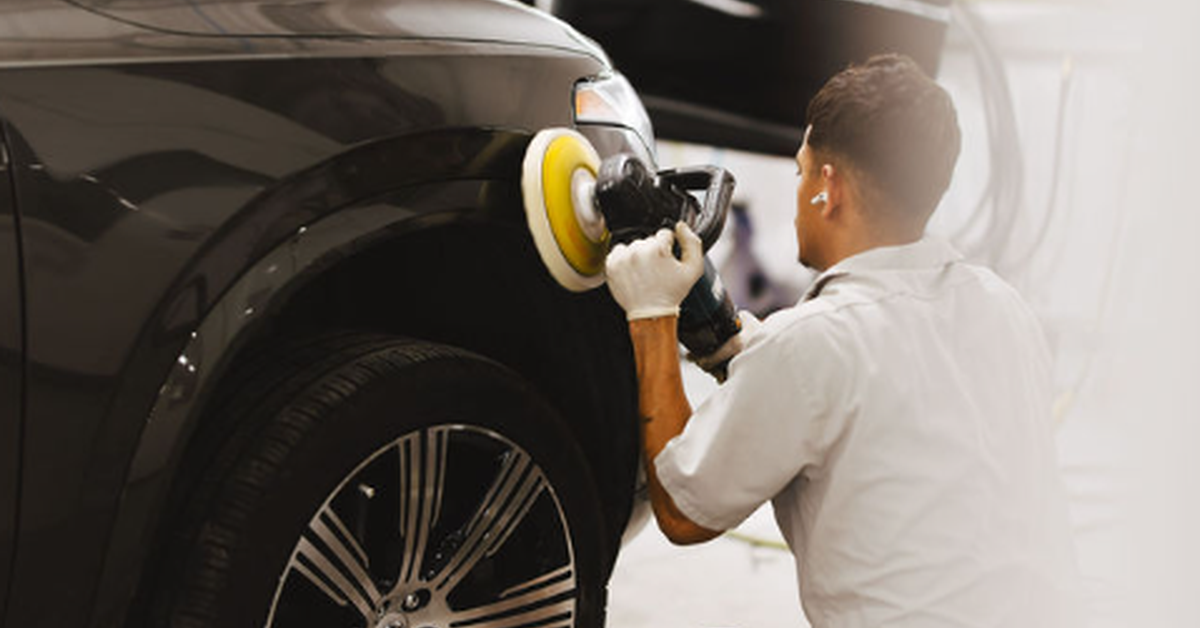
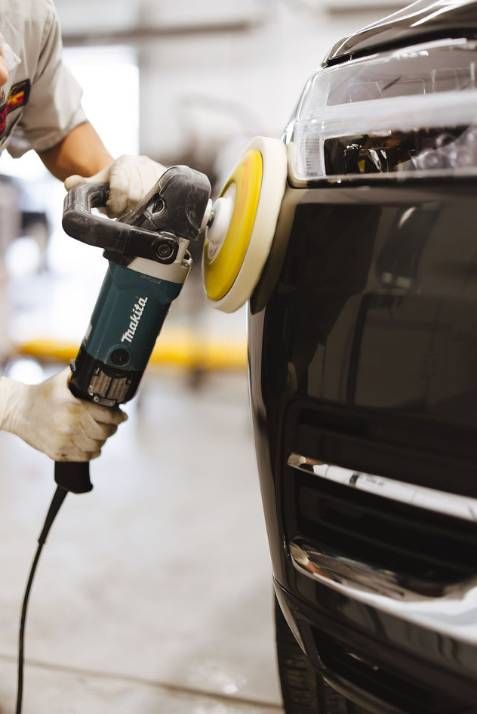
Depending on the damage, preparation may involve sanding, feathering existing paint, or removing corrosion. Technicians should protect nearby surfaces from dust and overspray during this work. Skipping preparation can leave visible imperfections or contribute to coating problems later.
Repairs to Dents and Damaged Panels
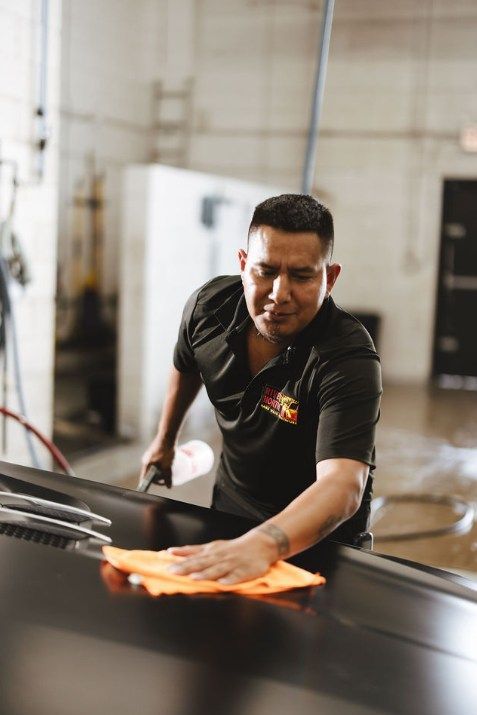
When an impact changes a panel's shape, paint alone will not restore its appearance. Technicians should correct the underlying damage before moving into refinishing. The appropriate method depends on the panel material, damage location, and severity of the impact.
Some dents allow careful reshaping, while other damage requires additional repair work or replacement. A reputable shop should explain why it recommends a particular approach. The goal is a sound repair with a surface that supports a consistent finish.
Primer and Materials That Suit the Repair
Primer serves an important purpose between surface preparation and the visible paint layers. The correct product helps create a suitable foundation for the coatings that follow. Different substrates and repair conditions can require different materials, so one approach does not fit every vehicle.
Technicians should follow the applicable product instructions for preparation and application. They must also allow the required drying or curing time between stages. Rushing these steps can affect the finished coating even when the color initially looks right.
Accurate Color Matching and Blending
Matching automotive paint involves more than selecting a color name from a chart. Age, exposure, and variations in factory finishes can influence how the existing paint appears. Technicians should evaluate the vehicle's current color and choose an appropriate refinishing formula.
Some repairs also require blending color into an adjacent area to make the transition less noticeable. Metallic and pearl finishes can demand particular attention because application technique influences their appearance. Under suitable lighting, the repaired area should look consistent with the surrounding finish.
Careful Paint Application and Clear Coat
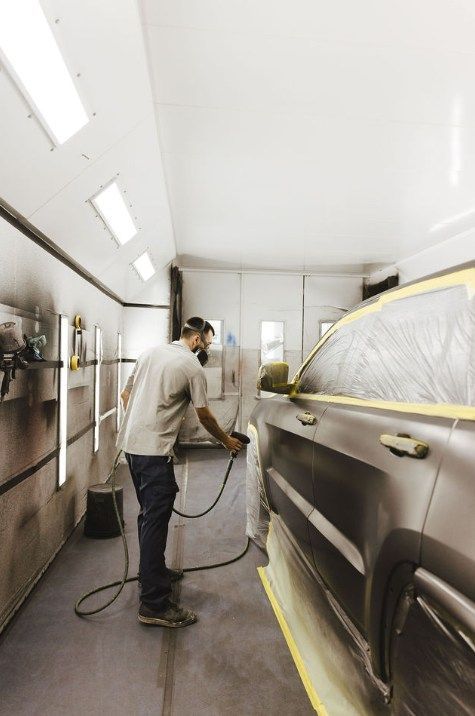
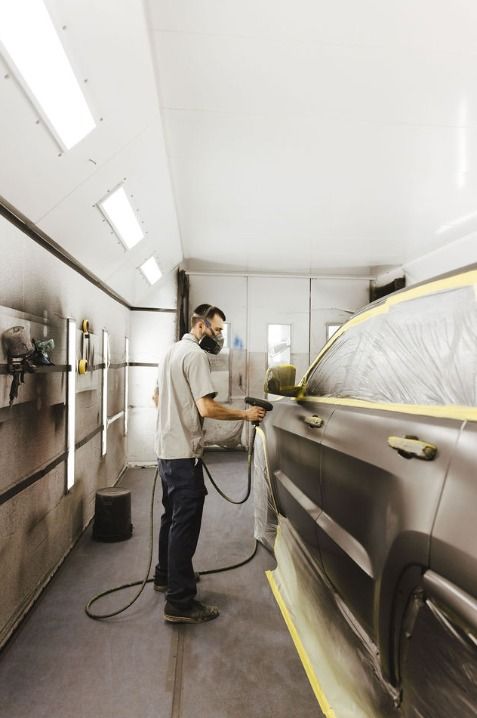
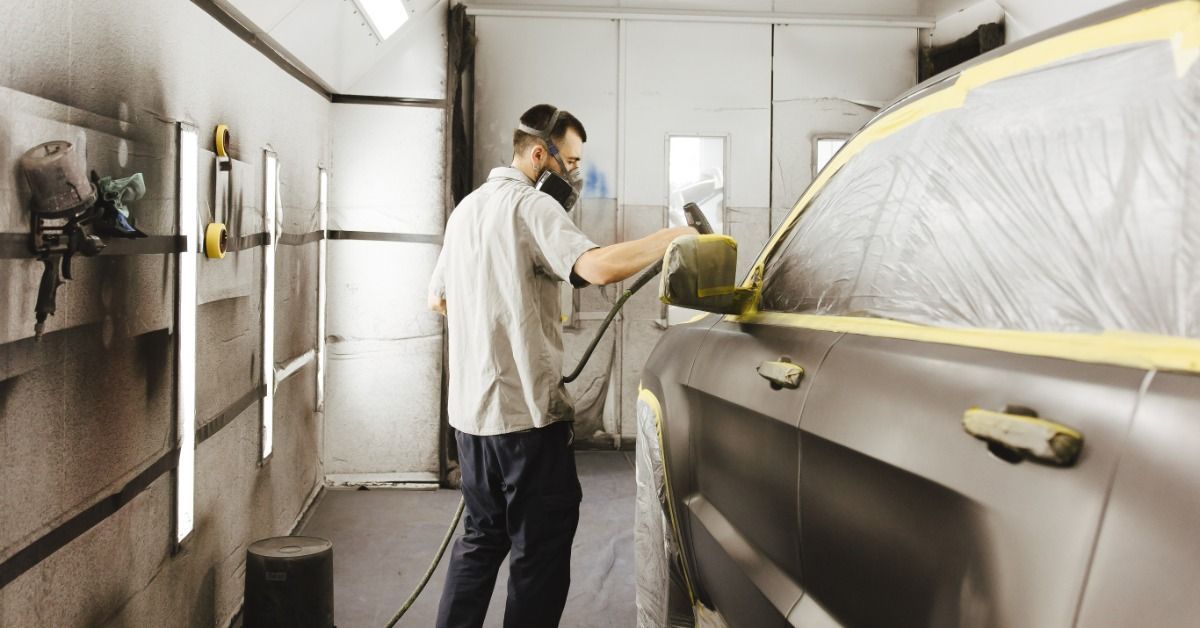
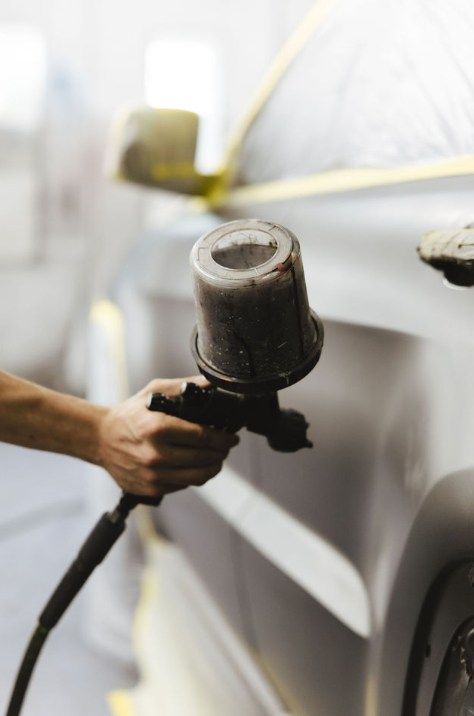
A professional finish depends on controlled application. Technicians should apply the coating system according to the material manufacturer's directions, paying attention to coverage and conditions in the work area. Clean equipment and an appropriate painting environment help reduce avoidable defects.
When the paint system calls for clear coat, that layer provides the intended surface finish and contributes to protection. The shop should allow the coating to cure as directed before completing subsequent work. A shiny surface alone does not prove that every layer received proper attention.
Protection for Surrounding Vehicle Components
Paint repairs should not create new problems elsewhere on the car. Technicians need to mask or remove nearby trim when appropriate and protect glass or other exposed surfaces. The exact approach depends on the repair area and how the vehicle's components fit together.
If the shop removes lamps or exterior pieces, it should reinstall them correctly after refinishing. Fasteners and panel alignment deserve attention during reassembly. Customers should not have to accept fresh overspray or loose trim as part of a completed paint job.
Final Inspection and Quality Checks
Before returning the keys, the shop should inspect the repaired area for obvious defects. Technicians can check color consistency, surface texture, and the fit of any components they removed. They should also confirm that the repair matches the approved scope of work.
A final review with the customer provides an opportunity to discuss the results. Look at the vehicle in good lighting and ask about anything that seems unusual. If you notice any remaining issues, ask the shop to address them before you consider the job complete.
Guidance for Caring for Fresh Paint
The work does not end with the final inspection. Fresh refinishing materials may require specific care while they continue to cure. The shop should explain any restrictions that apply to washing, polishing, or applying protective products.
Follow the guidance for the coating system used on your vehicle rather than relying on a universal waiting period. Ask whether the shop offers a written workmanship warranty and what that coverage includes. Clear aftercare instructions help you protect the result without guessing.
Choose River North Collision Repair for Scratch Repairs
Understanding the things that should be included in an auto paint/repair job helps you evaluate estimates and discuss expectations with confidence. River North Collision Repair provides car scratch repairs in Chicago as part of its paint repair and auto body services. Our team can assess the affected area, explain the recommended repair process, and provide an estimate before work begins. Contact River North Collision Repair to discuss your vehicle's scratches and learn what the repair may involve.