4 Effective Ways To Fix Peeling Paint on Your Car
Nothing will kill your car’s aesthetic faster than peeling paint. Whether you’re dealing with small chips or large sections flaking off, the damage causes more than just a bad look—it exposes your vehicle’s metal to rust and corrosion.
Here in Chicago, harsh winters and road salt wreak havoc on our vehicles, so learning ways to fix peeling paint on your car can prevent problems down the line.
Why Car Paint Peels
Understanding what causes paint to peel helps you fix it properly and prevent future damage. Several factors contribute to this frustrating problem.
Environmental damage is most often the cause of paint peeling. UV rays, extreme temperatures, and moisture all break down paint bonds over time. Another contributor to peeling paint is age, which naturally causes paint to lose its flexibility and adhesion.
Method 1: Touch-Up Paint for Small Areas
For minor peeling spots that are smaller than a quarter, you can use touch-up paint. Start by cleaning the area thoroughly with soap and water, then lightly sand the peeling edges with fine-grit sandpaper (around 400-grit). After cleaning the spot with primer, apply the paint in thin layers.
This method is affordable, typically costing less than $20. You can get it done in an afternoon, but it works for only small spots, so if your car has larger paint chips, then you’ll need to rely on another method.
Method 2: Panel Section Repair
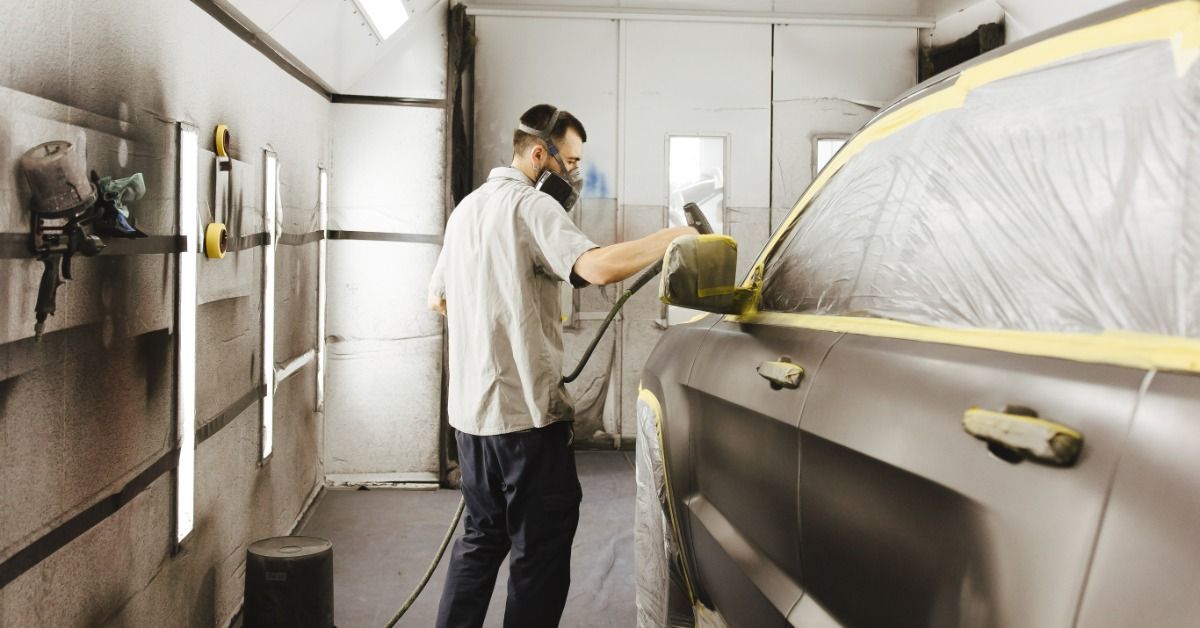
For larger peeling areas covering significant portions of a panel, section repair becomes necessary. This involves sanding down the entire affected section, then applying primer, base coat, and clear coat in sequence. While more involved, this method ensures a seamless blend with the surrounding paint.
Consider investing in a small spray gun for this level of repair—it provides more control than aerosol cans and delivers professional results. If you aren’t comfortable doing it yourself, this is the time to go to the professionals.
Method 3: Professional Body Shop Treatment
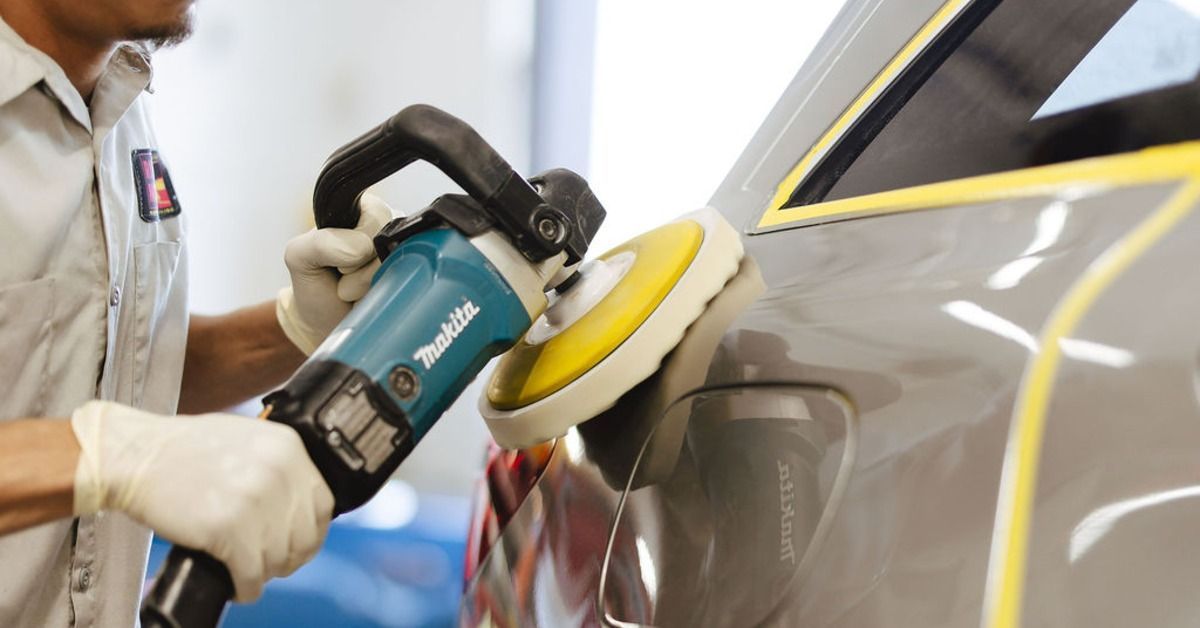
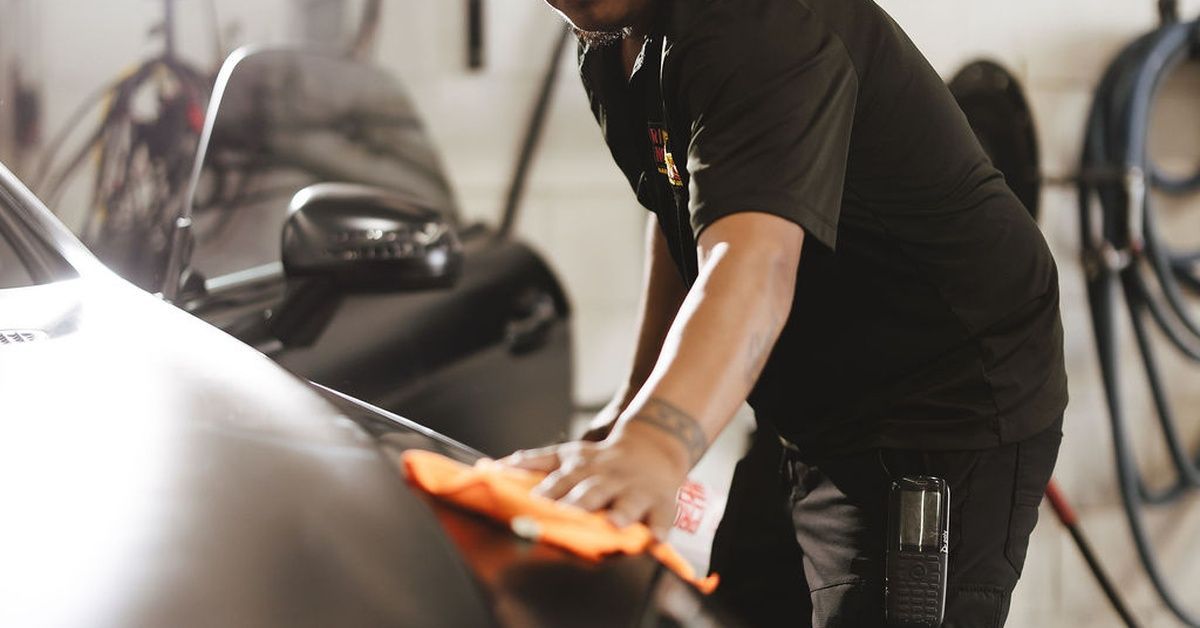
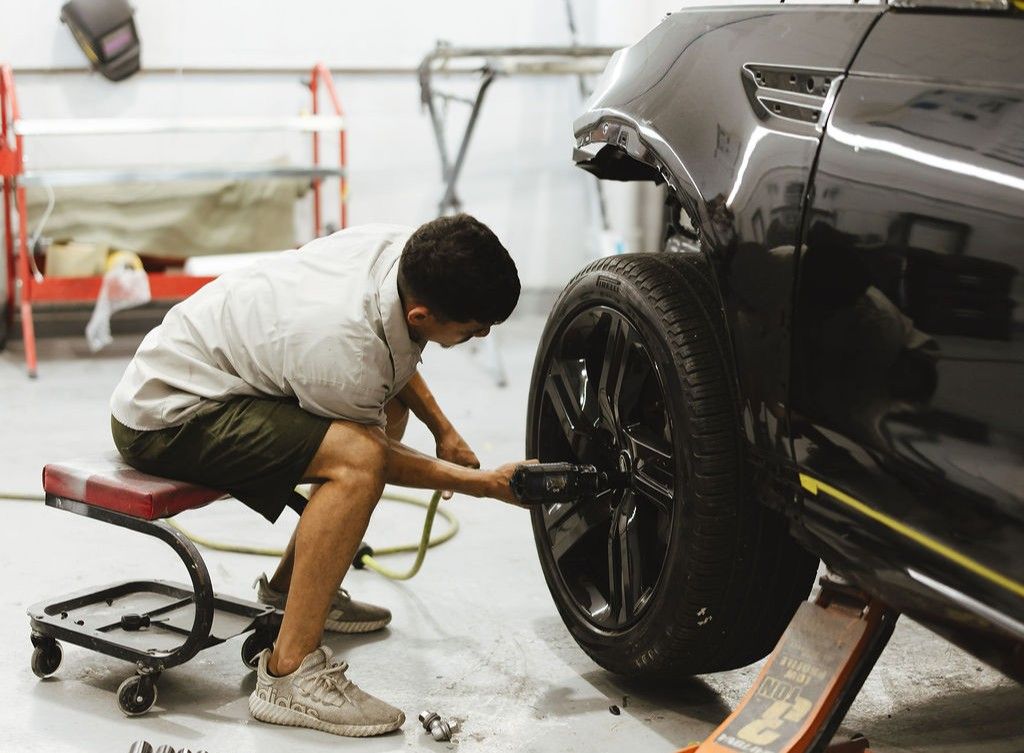
Sometimes, the damage to your paint is too extensive for DIY repair. If your car has multiple areas with peeling paint, then professional treatment is the right choice. Chicago has a variety of great auto paint shops, such as River North Collision Repair, which can help you restore your car to its best look.
River North Collision Repair can help you get rid of those scratches and chips ruining your car’s appearance. Call us today to learn more about our paint options and which will work best for your car.
Method 4: Regular Maintenance and Protection
The best fix for peeling paint is preventing it in the first place. Regular washing removes corrosive substances, while waxing provides a protective barrier against the elements. Park in covered areas when possible, especially during Chicago’s brutal winters.
Lastly, inspect your car’s paint regularly—catching problems early saves both time and money.
Keep Your Ride Looking Fresh
Peeling paint doesn’t have to ruin your car’s appearance or value. With these methods, you can address everything from minor touch-ups to major repairs, effectively fixing your car’s peeling paint. If you want to bring your car to a skilled paint shop, contact River North Collision Repair today. Your car—and your wallet—will thank you.