4 Types of Undercarriage Damage You Shouldn't Ignore
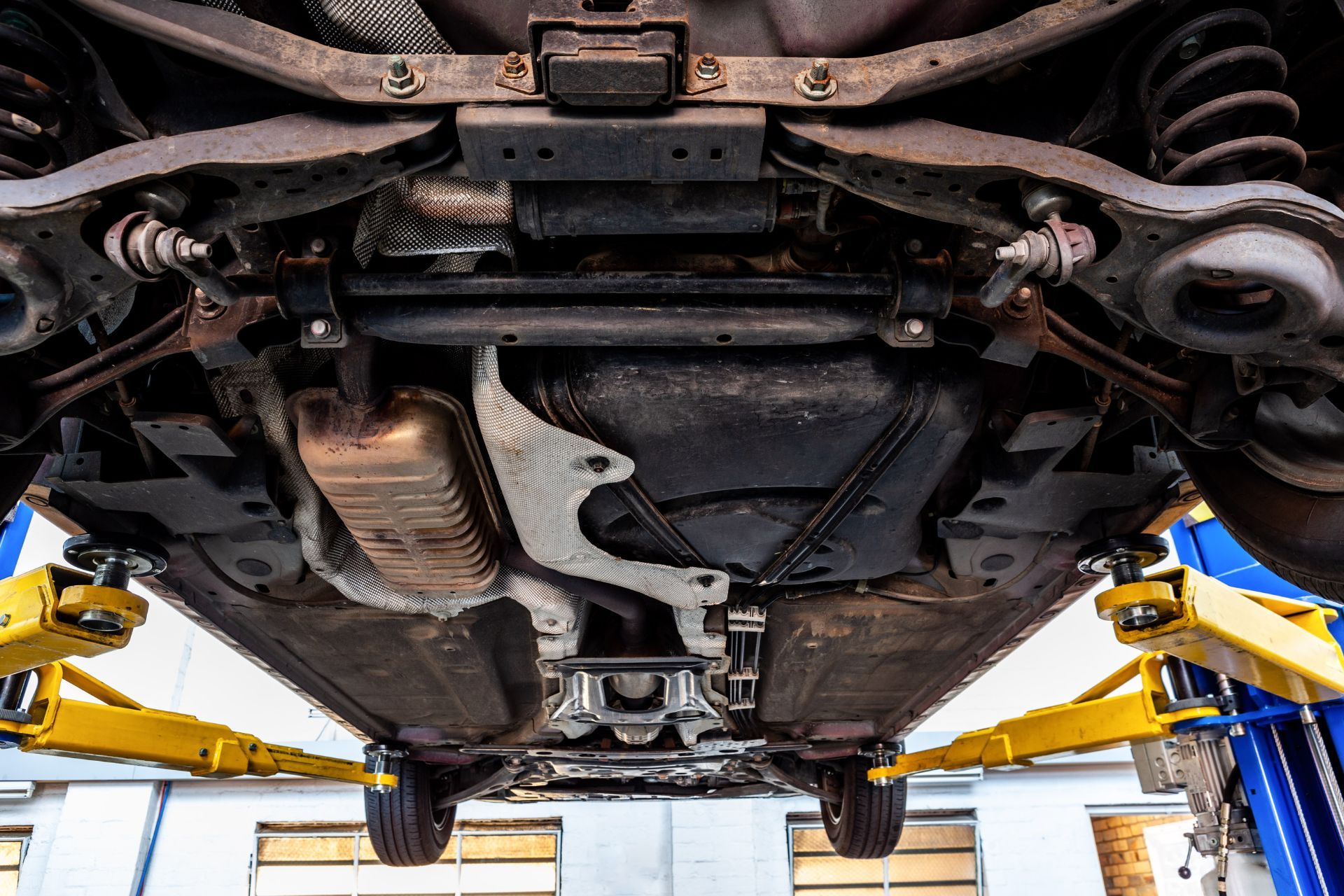
Car owners may not realize it, but a vehicle's undercarriage is the lifeblood of its overall health and condition. Many things can cause damage to this essential part of your automobile, and some types of damage can grow significantly worse if left unchecked. Today, we'll explore four types of undercarriage damage you shouldn't ignore, helping you keep your car in tip-top shape.
1. Rust and Corrosion
Rust and corrosion are the number one enemies of your vehicle's undercarriage. The metal components beneath your car are especially prone to rust because of their constant exposure to water, dirt, and road chemicals. If left unchecked, rust can cause serious structural issues and compromise the safety of your vehicle.
To prevent rust from wreaking havoc, regularly inspect your undercarriage for signs of rust or corrosion and address the issue promptly. Using a rust converter or rust prevention coating on vulnerable areas can also help to prolong the life of your vehicle.
2. Damage to Exhaust or Muffler System
The exhaust system and muffler are essential components in maintaining your car's performance and reducing noise pollution. It's not uncommon for these components to suffer damage from debris, road obstructions, or collisions. If you notice any unusual loud noises, poor fuel economy, or decreased acceleration performance, you may have a damaged exhaust system or muffler.
3. Leaking Fluids
One common type of undercarriage damage that you shouldn’t ignore is leaking fluids. In fact, it’s a good idea not to ignore leaks no matter where they are. Leaks are a clear indication that something is not quite right with your vehicle. The undercarriage houses multiple components such as brake lines, transmission, and coolant system, which all utilize fluids that could leak and lead to further damage.
If you see any fluid pooling under your car or notice unusual smells while driving, it's important to have it addressed promptly. Leaking fluids can cause your vehicle's engine to overheat or lead to a brake system failure. Regularly checking your fluid levels and inspecting your undercarriage for leaks can help you catch these issues before they become too serious.
4. Suspension System Damage
Your suspension system is responsible for providing a smooth and stable ride. Damage to the suspension can result from driving over potholes, debris, or simply from wear and tear over time. Symptoms of a damaged suspension system may include difficulty steering, a rough ride, and excessive bouncing after hitting a bump or pothole.
Ignoring a damaged suspension system can result in poor ride quality and, even worse, a dangerous lack of control. Be sure to have any suspension issues inspected by a professional as soon as possible.
Keeping your vehicle in prime condition requires commitment and vigilance, particularly when it comes to undercarriage damage. If you notice any of the issues discussed above, don't delay in getting them addressed. Remember, at River North Collision Repair, we specialize in auto collision repair in Chicago and are equipped to fix any undercarriage problems you might have. Contact us today to learn more about our services and get your car back to looking and running its best!