Quick Guide to Safely Cleaning a Car After Body Repair Work
Got your car back from the body shop? That’s great! But before you try to rinse the car down, consider waiting. Washing a recently repaired vehicle requires a bit more care than a typical weekend car wash routine.
The freshly worked area needs time to set properly before you start cleaning it. Follow this quick guide to safely clean your car after body repair work.
Wait for the Right Time
Patience is key to safely cleaning your car after bodywork. Most body shops recommend waiting at least 30 days before washing the vehicle. During this curing period, the paint continues to harden and bond properly.
Light cleaning is perfectly fine, just avoid aggressive washing techniques. Daily Chicago commutes can make the car dirty, so gentle spot cleaning can make it look good without damaging the new paint.
Choose the Best Cleaning Method
Handwashing cars always beats automatic car washes. The spinning brushes and high-pressure jets at automated facilities can damage fresh paint or newly installed parts.
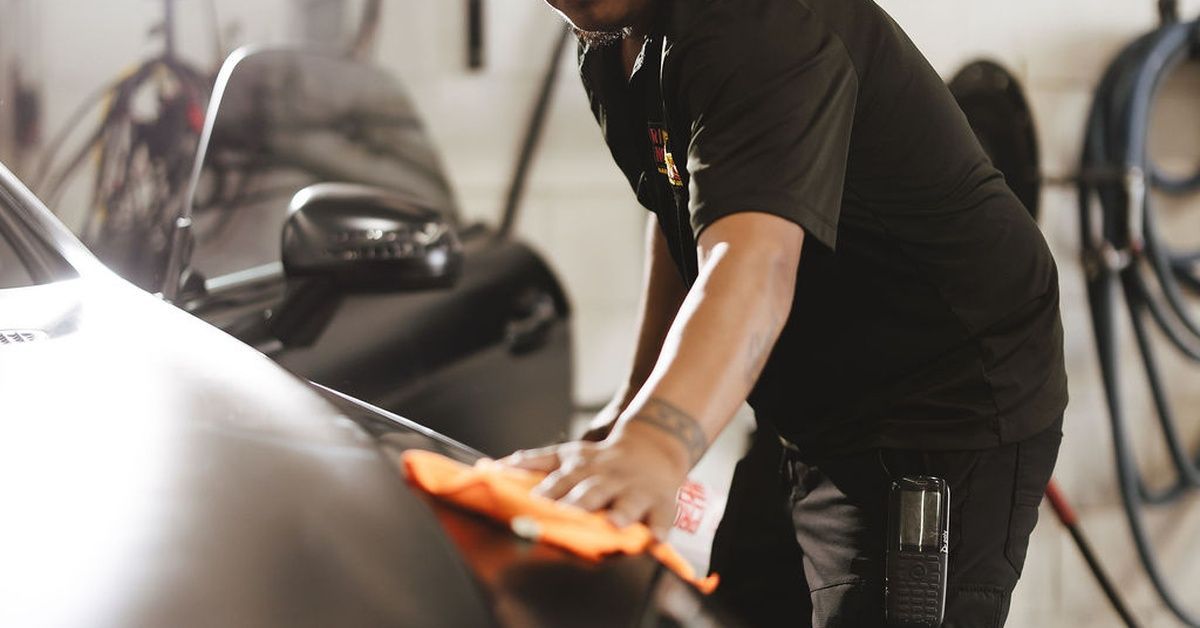
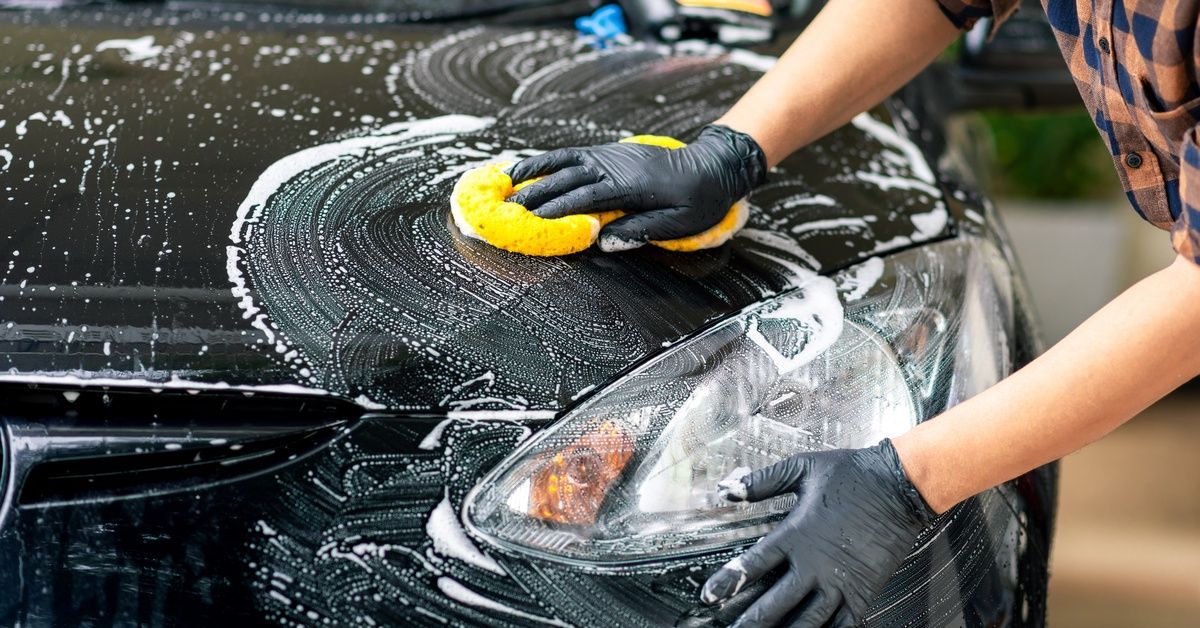
When washing, use two buckets: one for soapy water and the other for rinsing the washcloth. By keeping the two buckets separate, dirt can’t scratch your fresh paint when you reload with soap.
Pick the Right Products
Car soaps vary significantly from one another, with some being better options than others. Choose a pH-neutral car wash soap specifically designed for automotive paint.
Avoid household detergents, such as dish soap; they’re too harsh and can strip the protective coatings from your new paint. Use microfiber towels to clean the car. Other options, like terry cloth towels, can leave tiny scratches on the vehicle’s pristine finish.
Master the Gentle Touch Technique
Start at the top of your car and work your way down. This way, the dirty water won’t drip onto areas that have already been cleaned. Use straight, overlapping motions rather than circular scrubbing, which can create swirl marks.
Don’t obsess over the repaired areas. Treat them gently, but remember that properly done body work should be just as durable as the original paint.
Signs Your Car is Ready for a Wash
Your vehicle is ready to be washed normally once the paint has properly cured. You’ll know the paint is fully cured when it feels smooth to the touch and has a consistent sheen across all surfaces.
If you notice any irregularities, such as soft spots, sticky areas, and color differences, after the curing period, contact the body shop immediately. This is a sign to wait before washing your car and check for any bodywork issues.
Keep Your Investment Looking Good With River North Collision Repair
Taking care of your car after body work doesn’t have to be complicated. Using this guide, you can safely clean your vehicle after bodywork. A little patience and the right techniques will keep that fresh-from-the-shop look for years to come. Remember, proper aftercare protects both your investment and your car’s value.
If you want to keep your vehicle looking its best with one of the premier auto body shops in Chicago, visit River North Collision Repair. With a variety of repairs, we can keep your car looking pristine throughout the year. Contact us today for an estimate on your vehicle’s body work.