Diminished Value Claims in Illinois: What You Should Know

Collisions are frustrating for any driver, especially since they can affect your car's value. A vehicle loses market value after a collision, even when technicians complete repairs correctly. Buyers often pay less for a car with an accident history because they worry about hidden damage or future issues.
Illinois drivers should understand how diminished value claims work before accepting an insurance settlement. These claims help recover the difference between the vehicle’s pre-accident value and its post-repair resale value.
What Is a Diminished Value Claim?
A diminished value claim requests compensation for lost vehicle value after an accident. Insurance companies calculate this loss by reviewing repair records, accident severity, mileage, and market demand. Many drivers assume repairs restore full value, but vehicle history reports still affect resale pricing. Illinois drivers can pursue these claims when another party caused the collision.
Types of Diminished Value
Several forms of diminished value exist, and each affects a claim differently. Immediate diminished value refers to the loss of value immediately after a crash.
Inherent diminished value refers to the long-term loss associated with a vehicle’s accident history. Repair-related diminished value occurs when poor workmanship or aftermarket parts reduce a vehicle's quality.
How Illinois Handles These Claims
Illinois allows third-party diminished value claims against the at-fault driver’s insurance company. Drivers usually cannot file diminished value claims through their own collision coverage unless the policy specifically allows it. Insurance carriers often challenge these claims to reduce payouts. Proper documentation strengthens the claim and supports negotiations.
Documents That Support a Strong Claim
Vehicle owners should collect records immediately after the accident. Organized paperwork helps demonstrate the vehicle’s condition and value before and after repairs.
- Repair estimates and invoices
- Photos from the accident scene
- Vehicle appraisal reports
- Comparable resale market data
- Insurance correspondence
These records help establish financial losses and improve claim accuracy.
Why Professional Repairs Still Matter
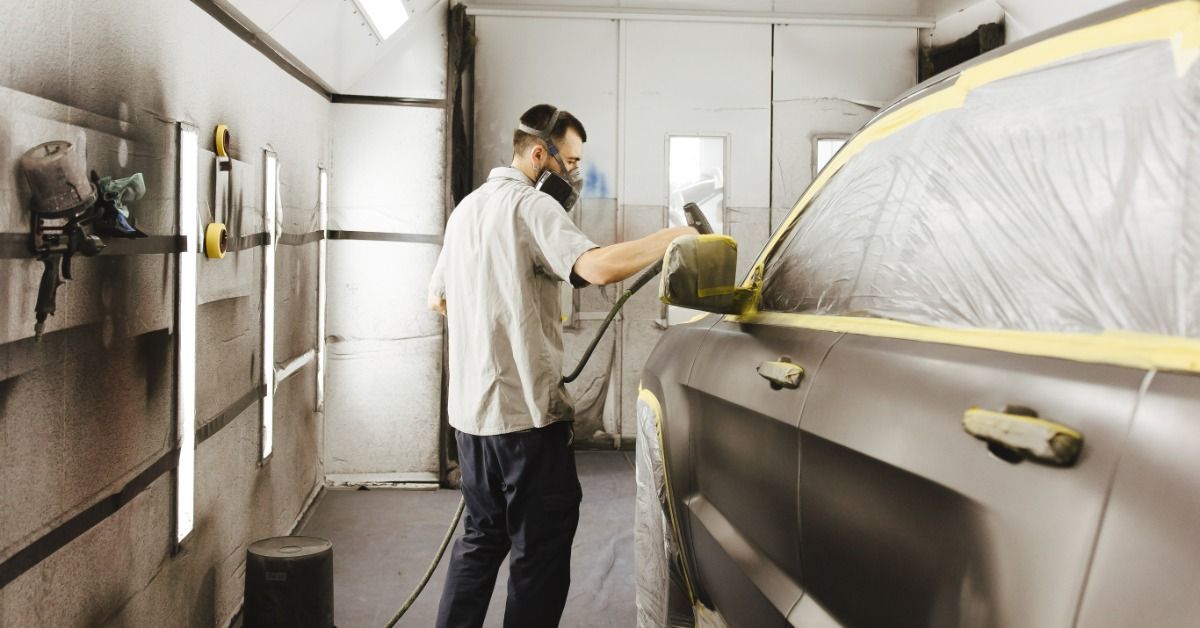
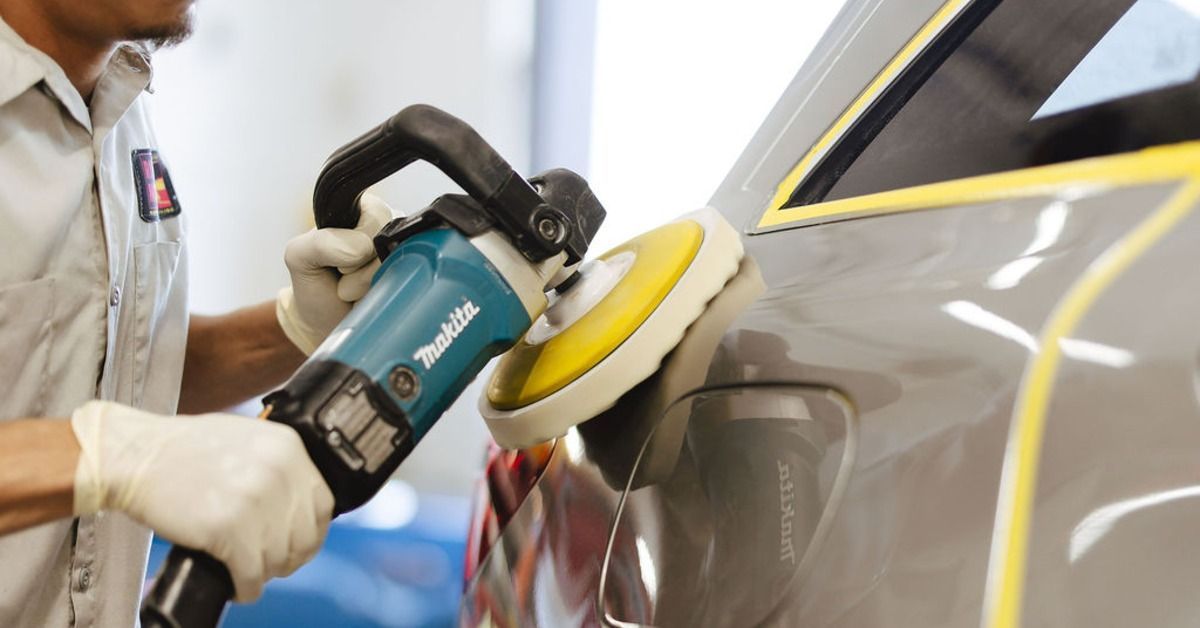
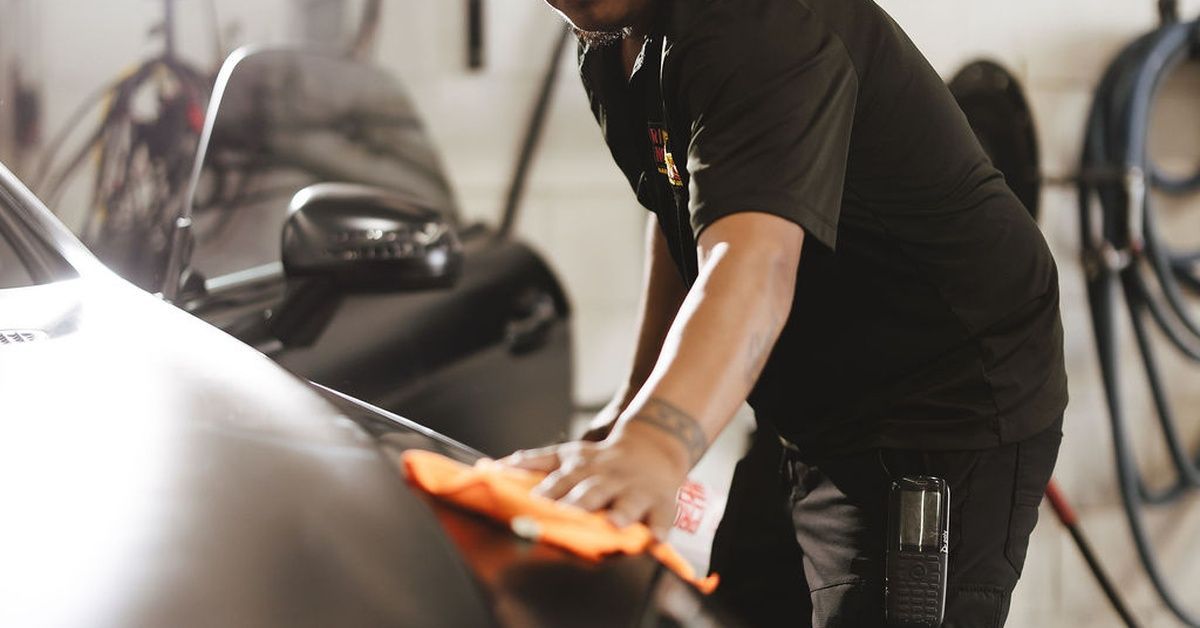
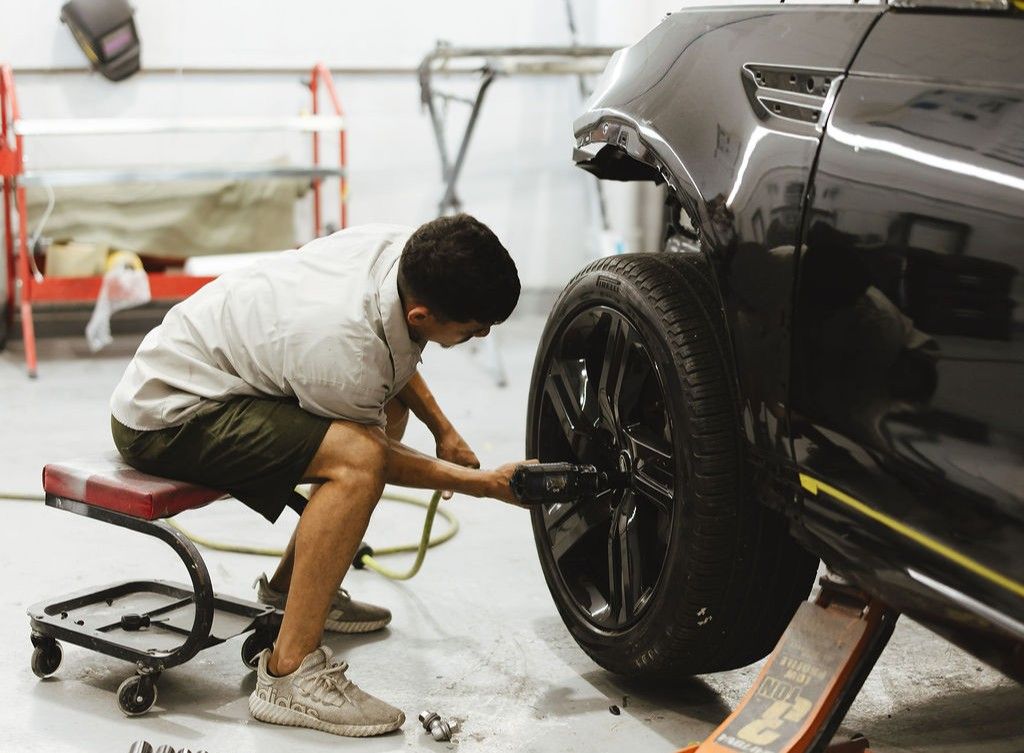
High-quality repairs reduce further loss of value and improve vehicle safety. Certified technicians use proper repair methods, accurate paint matching, and manufacturer-approved procedures.
Buyers notice uneven finishes and poor structural alignment during resale inspections. A trusted car bumper repair shop can help restore appearance and preserve as much resale value as possible.
Common Insurance Challenges
Insurance companies often minimize diminished value payouts or deny claims entirely. Some adjusters argue that older vehicles carry a limited market impact after repairs. Others rely on formulas that undervalue actual resale losses. Drivers who understand Illinois claim rights usually negotiate stronger settlements.
When To Request an Appraisal
Professional appraisers provide independent opinions about lost market value by comparing local market trends and repair quality. Appraisal reports also help counter low insurance estimates during negotiations. Many Illinois drivers seek appraisals when the insurance company disputes the claim amount.
Protecting Vehicle Value After an Accident
Understanding diminished value claims in Illinois helps car owners protect their investment with the right steps. Prompt action improves the chances of recovering diminished-value compensation. Drivers should schedule repairs promptly and avoid incomplete restoration work.
Experienced collision repair professionals help protect both the vehicle's condition and its long-term resale value. River North Collision Repair helps Chicago-area drivers restore their vehicles with precision and attention to detail. Call us today to schedule an appointment for your vehicle.